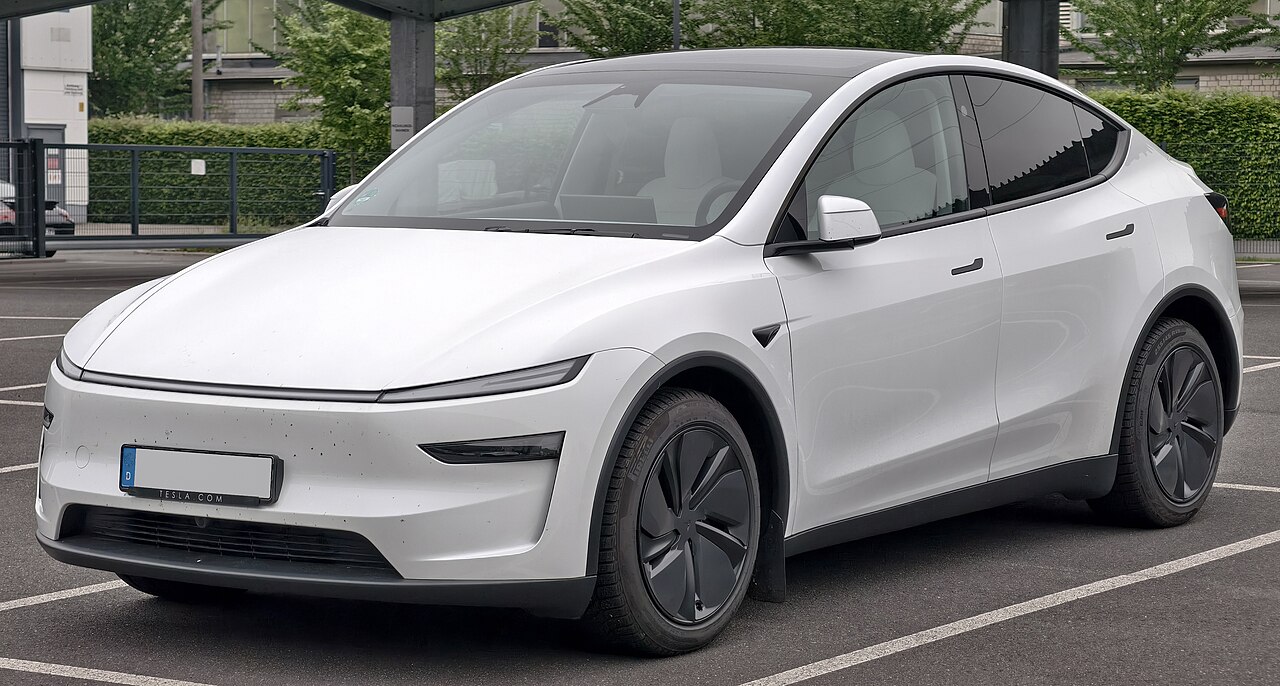
2026 Hyundai Ioniq 5 N vs. Tesla Model Y Performance Compared
GreenCars pits the 2026 Hyundai Ioniq 5 N against the Tesla Model Y Performance to see which performance EV comes out on top.
GreenCars has published a head-to-head comparison of two of the most talked-about performance electric vehicles on the market today: the 2026 Hyundai Ioniq 5 N and the Tesla Model Y Performance. The feature examines how each automaker approaches the growing segment of quick, driver-focused EVs, and asks which model ultimately delivers the better package for buyers who want speed alongside everyday practicality.
Two Different Paths to Performance
According to GreenCars, the Tesla Model Y Performance represents the sportier trim of Tesla's best-selling crossover, built on the automaker's established platform and software ecosystem. The Ioniq 5 N, meanwhile, is Hyundai's dedicated performance interpretation of its Ioniq 5 hatchback-crossover, developed under the brand's N performance division, which has built a reputation for tuning vehicles specifically around driving dynamics rather than simply adding power to an existing model.
Weighing the Comparison
GreenCars' analysis frames the matchup around the core questions performance-minded EV shoppers are likely to ask: which vehicle feels sharper behind the wheel, and which one better balances that performance with the comfort and usability expected of a daily-driven crossover. Rather than treating either vehicle as an outright winner across every category, the outlet's comparison approach is designed to highlight the trade-offs buyers face when choosing between Tesla's mainstream-performance formula and Hyundai's more specialized N-branded engineering.
The comparison arrives as automakers increasingly compete not just on range and efficiency, but on how "fun" an electric vehicle can be to drive — a shift that has pushed both legacy automakers and EV-native brands like Tesla to introduce sportier variants of their popular models. For consumers, GreenCars notes, having two credible performance EV options in a similar vehicle class gives buyers more room to prioritize what matters most to them, whether that's brand ecosystem, charging network, or driving feel.
Ultimately, GreenCars' piece underscores that the performance EV segment is no longer a niche corner of the market. With Hyundai and Tesla both fielding dedicated high-performance electric crossovers, shoppers now have direct, comparable choices — a dynamic that is likely to continue as more manufacturers introduce their own performance-oriented EV trims in the years ahead.
Source: GreenCars