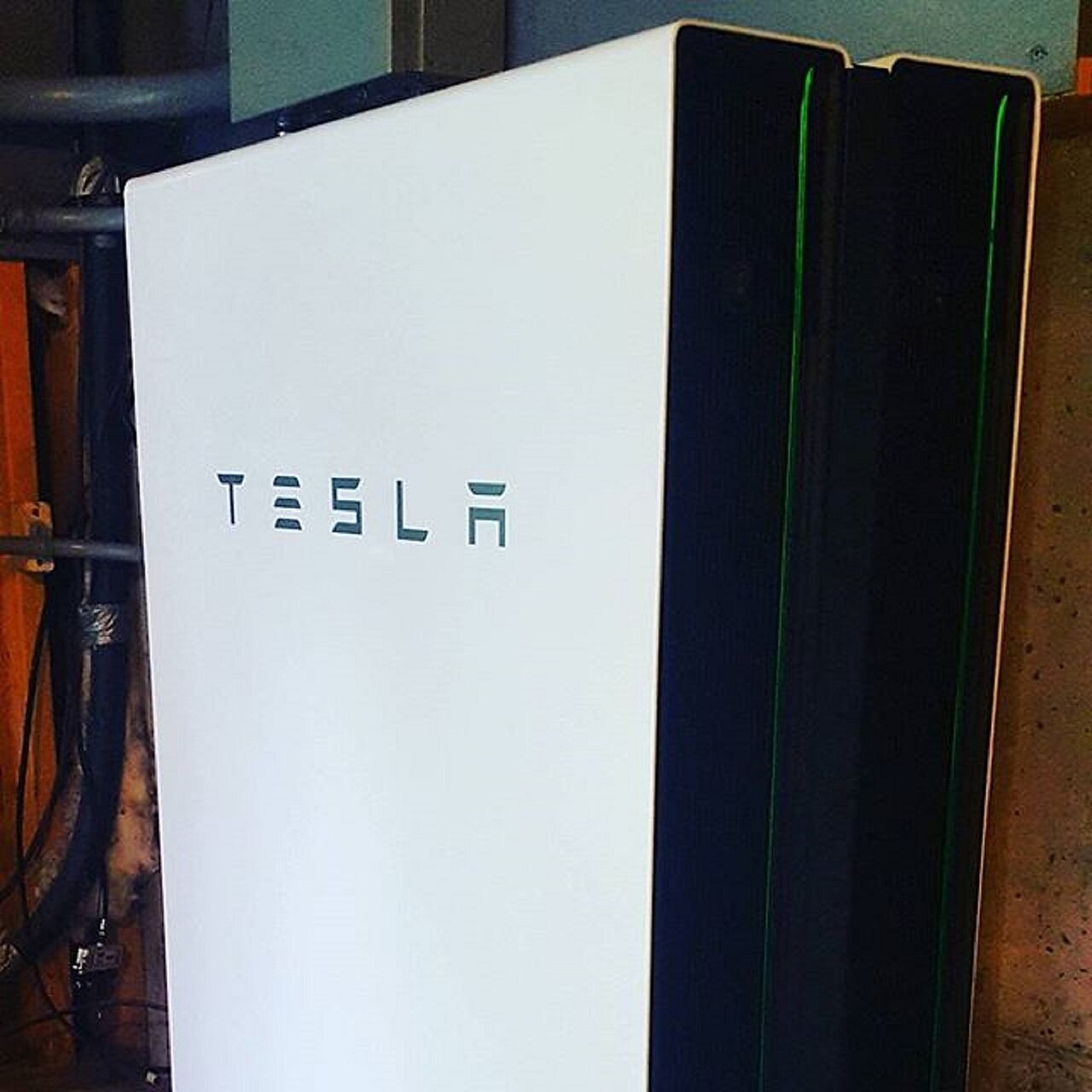
Tesla, Battery Pack, or Generator: The Math Shifts at 24 Outage Hours
A new comparison looks at whether a Tesla, a home battery pack, or a generator is the smarter backup power choice once annual outages reach about 24 hours.
Homeowners weighing backup power options increasingly face a three-way choice: use a Tesla vehicle as a power source, invest in a dedicated home battery pack, or fall back on a traditional generator. According to a report from thecooldown.com, the right answer depends heavily on how often the power actually goes out, and the calculation changes notably once a household experiences around 24 hours of outages per year.
Three Paths to Keeping the Lights On
Each option comes with its own tradeoffs. A generator, typically running on gasoline or another fossil fuel, has long been the default choice for emergency power, but it requires fuel storage, maintenance, and produces noise and emissions while running. A home battery pack offers quiet, emissions-free backup but comes with its own upfront cost tied to its storage capacity. A Tesla vehicle, meanwhile, can potentially serve double duty as both transportation and an emergency power source, a capability that has been highlighted as an added benefit of EV ownership.
Why the Threshold Matters
The report frames the decision around a specific benchmark: roughly 24 hours of outages in a given year. Below that threshold, the report suggests the case for investing heavily in dedicated backup infrastructure is weaker, since the equipment would sit idle most of the time. Once outages start approaching or exceeding that annual total, the calculus shifts, and the value of having reliable backup power — whether from a battery pack, a generator, or a Tesla — becomes easier to justify against the upfront and ongoing costs of each option.
The comparison underscores a broader trend in how households are rethinking resilience planning as extreme weather and grid strain make outages more common in parts of the country. Rather than treating backup power as an all-or-nothing purchase, the report frames it as a decision that should be matched to a household's actual outage history, with Tesla vehicles positioned as one option alongside more conventional battery and generator systems.
Source: thecooldown.com