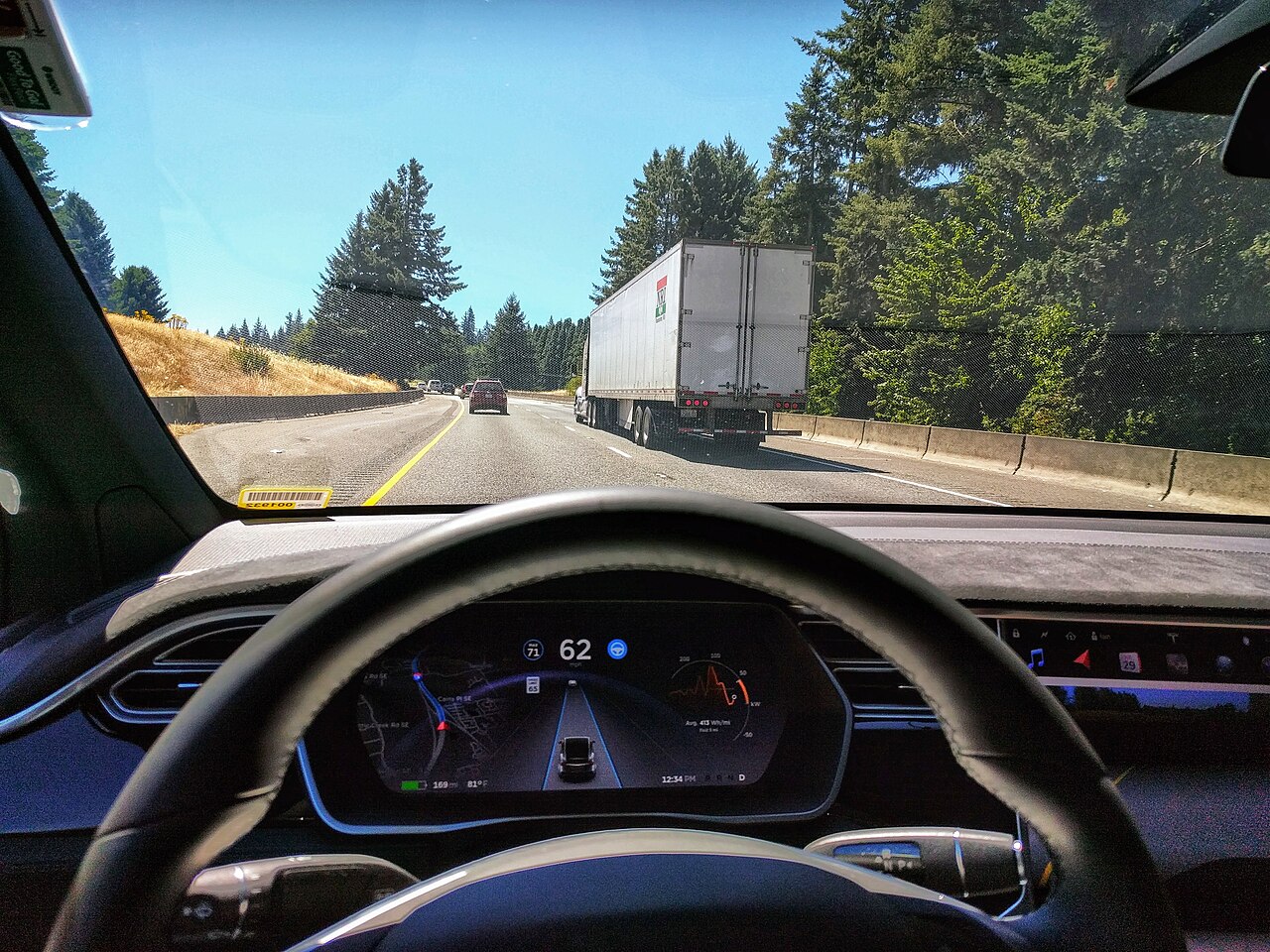
CHP Catches Tesla Driver Asleep at Wheel While Using FSD at 60 MPH
The California Highway Patrol says a Tesla driver was found asleep behind the wheel while relying on Full Self-Driving at highway speed.
The California Highway Patrol has flagged a case of a Tesla driver who appeared to fall asleep at the wheel while the vehicle's Full Self-Driving (FSD) feature was engaged. According to the agency, the driver was traveling at 60 mph on the way home from work when he was spotted behind dark sunglasses, apparently dozing off while letting the car handle the driving.
A Reminder of What FSD Actually Means
In publicizing the incident, the CHP used the moment to underscore a message it has repeated before: "Full Self-Driving" is not the same as "Full Snooze Drive." Despite the branding, Tesla's FSD system is designed as a driver-assist feature that still requires the person behind the wheel to remain alert and ready to take control at any moment, not a substitute for an attentive driver.
Why This Matters
Cases like this one highlight the ongoing gap between how advanced driver-assistance systems are named and marketed versus how they are legally and technically meant to be used. Even as Tesla's software takes on more of the driving task, regulators and law enforcement agencies such as the CHP continue to stress that drivers cannot treat the technology as a hands-off, eyes-off replacement for their own attention, particularly at highway speeds where a delayed reaction could have serious consequences.
Enforcement Attention Continues
The California Highway Patrol's public callout of this incident suggests continued scrutiny of how drivers are using semi-autonomous features on public roads. While the specifics of any citation or further action were not detailed, the agency's framing of the incident as a cautionary example signals that misuse of driver-assist systems remains a point of focus for traffic safety enforcement in the state.
Source: facebook.com