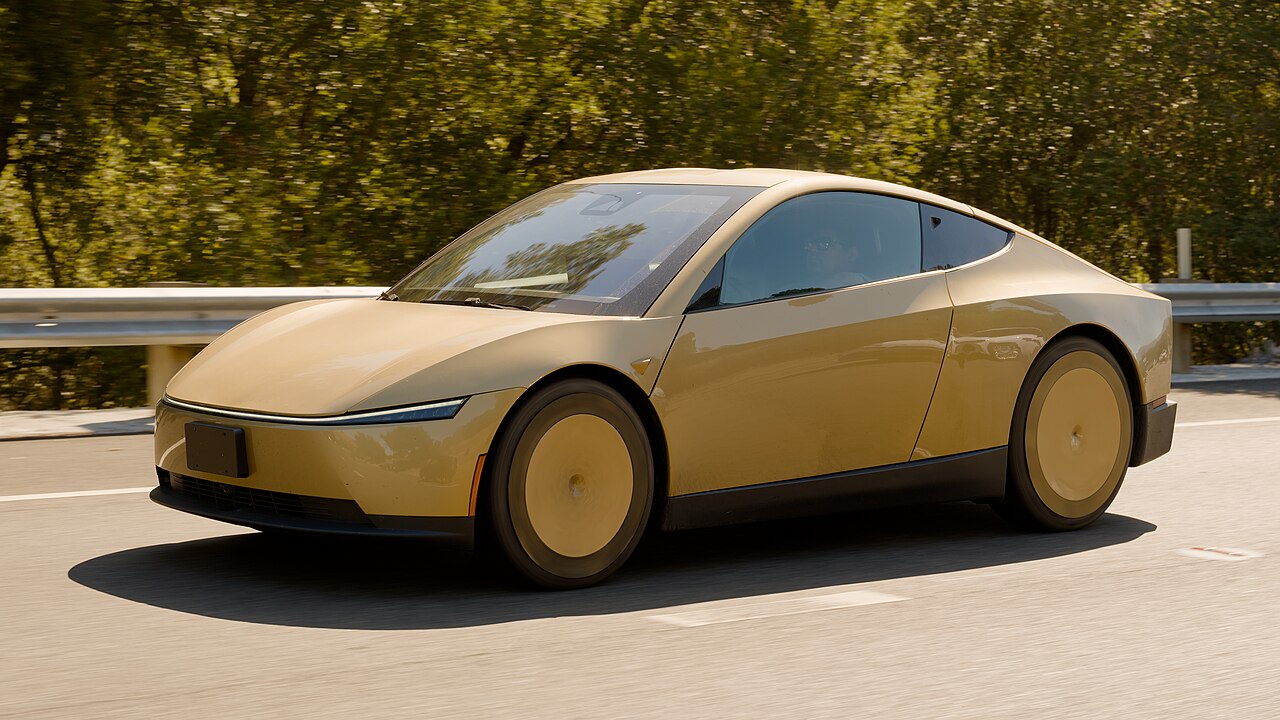
Cybercab: Does Musk's "Cars That Employ People" Math Add Up?
An analysis from 富途牛牛 examines Elon Musk's Cybercab concept, questioning whether the economics behind autonomous vehicles that "employ people" truly work.
A New Kind of Income-Generating Vehicle
A report from financial outlet 富途牛牛 takes a closer look at Tesla's Cybercab, the two-seat autonomous vehicle unveiled by Elon Musk as part of his vision for cars that can effectively "employ" themselves. The concept centers on vehicles operating without a driver, generating revenue for owners or Tesla through autonomous ride-hailing services rather than requiring a human behind the wheel.
Questioning the Business Model
According to the piece, the core question is whether the underlying math of this venture actually holds up. The idea of a fleet of self-driving Cybercabs functioning as income-producing assets depends heavily on the reliability and scalability of Tesla's autonomous driving technology, as well as the broader economics of deploying and maintaining such a fleet.
Musk's Broader Autonomy Push
The Cybercab represents a significant piece of Musk's long-term strategy to position Tesla not just as an automaker but as an operator of autonomous transportation services. 富途牛牛's analysis frames this venture as a test of whether Musk's ambitious framing—cars that work for their owners much like an employee would—can translate into a viable, profitable business model.
What It Means for Investors
For Tesla watchers, the report underscores the importance of scrutinizing the assumptions behind the Cybercab program rather than taking the "employment" narrative at face value. As Tesla continues to develop the vehicle and its autonomous capabilities, the financial and operational details will determine whether this ambitious vision becomes a meaningful revenue driver for the company.
Source: 富途牛牛