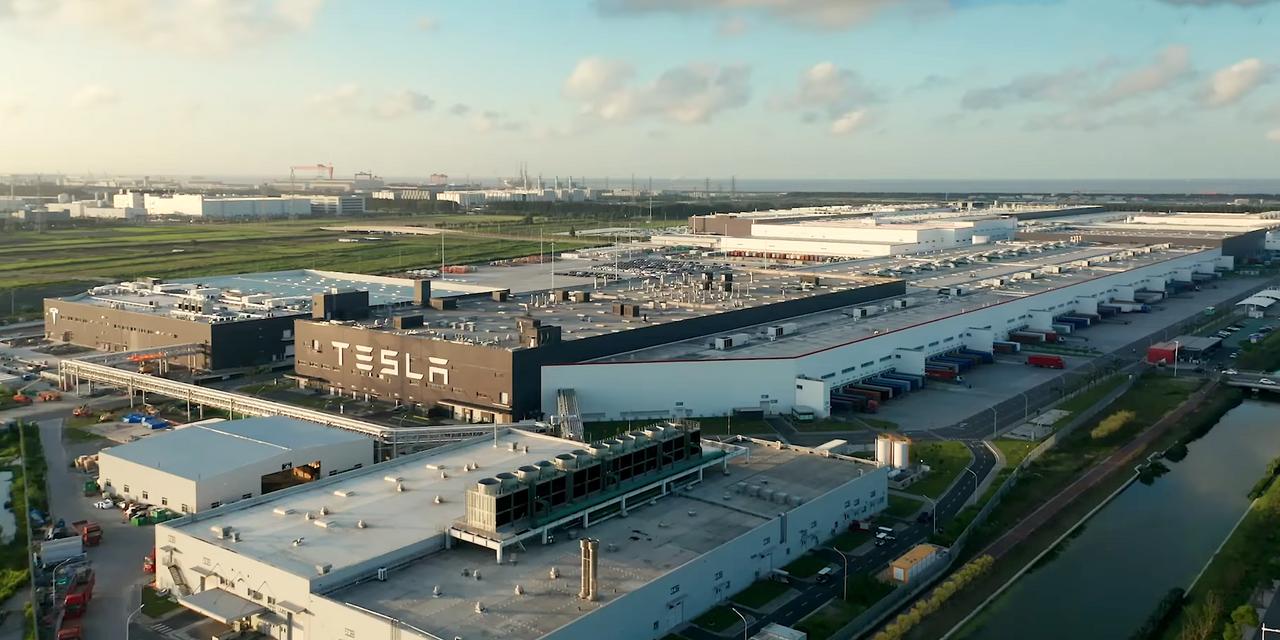
Tesla's Shanghai Gigafactory: What Its Largest Plant Means for TSLA
Barron's takes readers inside Tesla's Shanghai Gigafactory, examining how the company's largest plant shapes the outlook for TSLA stock.
A Rare Look Inside Tesla's Biggest Plant
Barron's has published an inside look at Tesla's Shanghai Gigafactory, describing it as the company's largest production facility. The financial outlet's on-the-ground report offers investors and industry watchers a closer view of the scale and operations at the site, which has grown into a cornerstone of Tesla's global manufacturing footprint.
Why the Facility Is a Focal Point for Shareholders
According to Barron's, the significance of the Shanghai Gigafactory extends well beyond its role as a car-making hub. As Tesla's biggest single plant, its production levels and operational health are treated by market watchers as a bellwether for the company's overall manufacturing capacity and momentum. The report frames the factory as a key reference point for anyone trying to assess Tesla's broader growth story.
Barron's coverage suggests that how the Shanghai plant performs — relative to Tesla's other manufacturing sites — can shape perceptions of the company's ability to scale output and meet demand across regions. Because the facility represents such a large share of Tesla's total production, developments there are described as having outsized influence on how investors read the health of the business heading into future periods.
The report also ties the factory's importance to the broader narrative around TSLA shares, noting that Tesla's stock story has long been intertwined with the operational performance of its physical plants. By spotlighting the Shanghai Gigafactory specifically, Barron's underscores how closely tied market sentiment around Tesla remains to tangible, on-the-ground manufacturing realities rather than abstract projections alone.
Source: Barron's