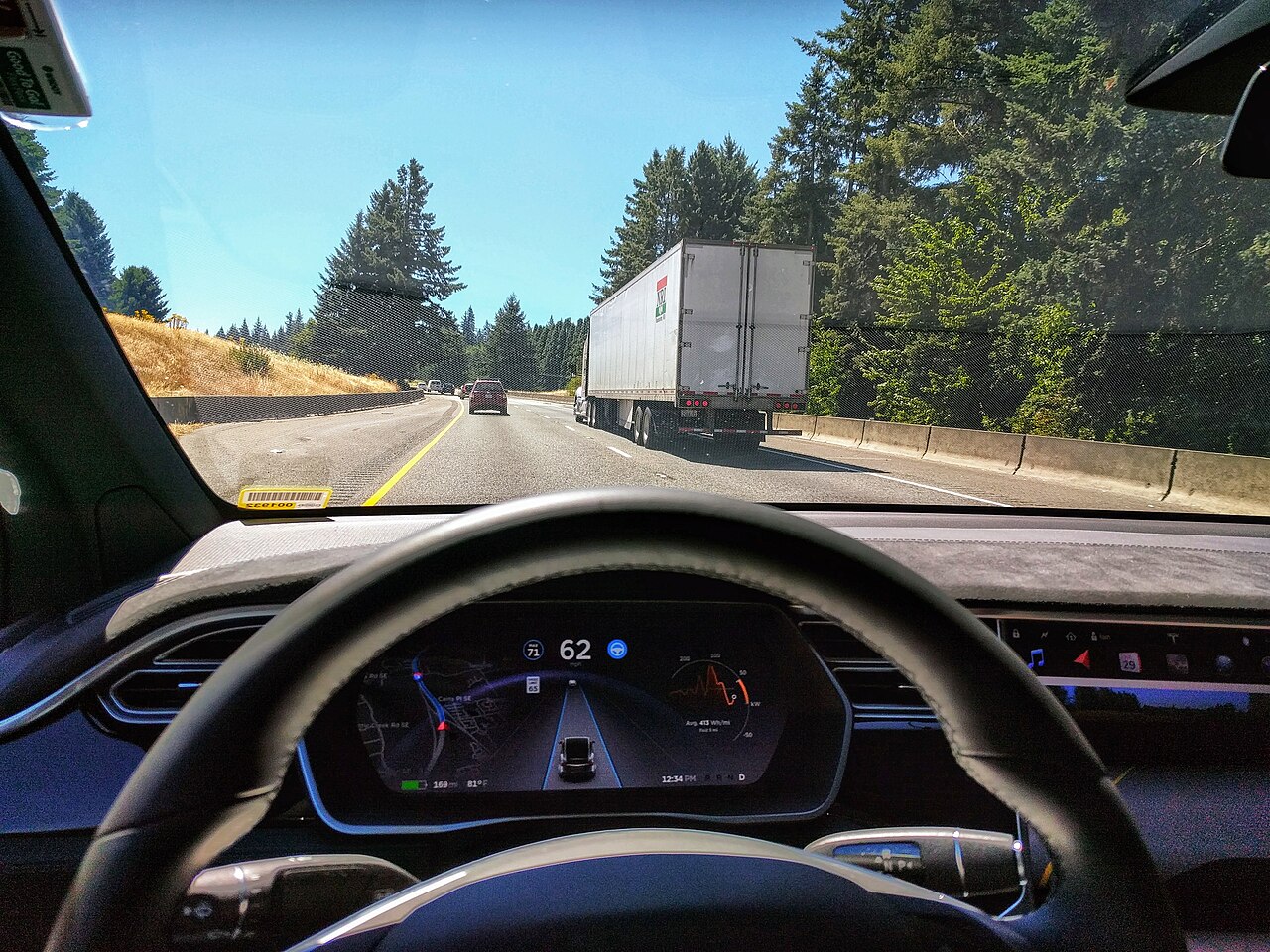
Safety Group Urges EU to Reject Tesla's FSD Over Speed Offset
A safety organization has called on European Union regulators to deny approval of Tesla's Full Self-Driving software, citing a speed offset concern.
Safety Group Pushes Back on FSD Approval
A safety advocacy group has urged the European Union to reject approval of Tesla's Full Self-Driving (FSD) software, pointing to what it describes as a speed offset problem with the system, according to a report from reuters.com. The group's appeal is aimed directly at EU regulators who are weighing whether to allow the driver-assistance technology to operate more broadly across the bloc.
What the Objection Involves
According to the report, the core of the group's concern is a discrepancy involving how FSD handles vehicle speed, characterized as an "offset" that the organization argues should disqualify the system from regulatory approval in its current form. The report does not detail further specifics of the group's technical findings, but the objection is being framed as a safety-based challenge rather than a procedural one, placing pressure on EU authorities as they continue to evaluate advanced driver-assistance systems from automakers operating in the region.
Tesla markets FSD as a suite of driver-assistance features that require active driver supervision, and the system remains a focal point for regulators and safety groups worldwide as automakers push to expand automated driving capabilities. The EU has its own regulatory framework for evaluating such systems before they can be deployed or marketed to consumers within member states, and interventions from independent safety organizations are among the inputs regulators can consider during that review process.
The report from reuters.com does not indicate whether EU regulators have responded to the safety group's request or what timeline, if any, applies to a decision on FSD's status in the region. It also does not specify the name of the safety organization or provide additional technical detail beyond the characterization of a speed offset issue. As scrutiny of automated and semi-automated driving systems continues to grow across global markets, this latest appeal adds to the broader regulatory conversation surrounding Tesla's driver-assistance software and its path to wider approval in Europe.
Source: reuters.com