Sunrun, Tesla Report Record 580 MW Home Battery Dispatch in California
Sunrun and Tesla say their virtual power plant network delivered a record 580 MW from home batteries during a California grid event.
Sunrun and Tesla have announced a record dispatch of 580 megawatts from residential home battery systems in California, according to a report from Renewables Now. The milestone highlights the growing role that networks of home batteries, often referred to as virtual power plants, are playing in supporting the state's electric grid.
A Milestone for Distributed Batteries
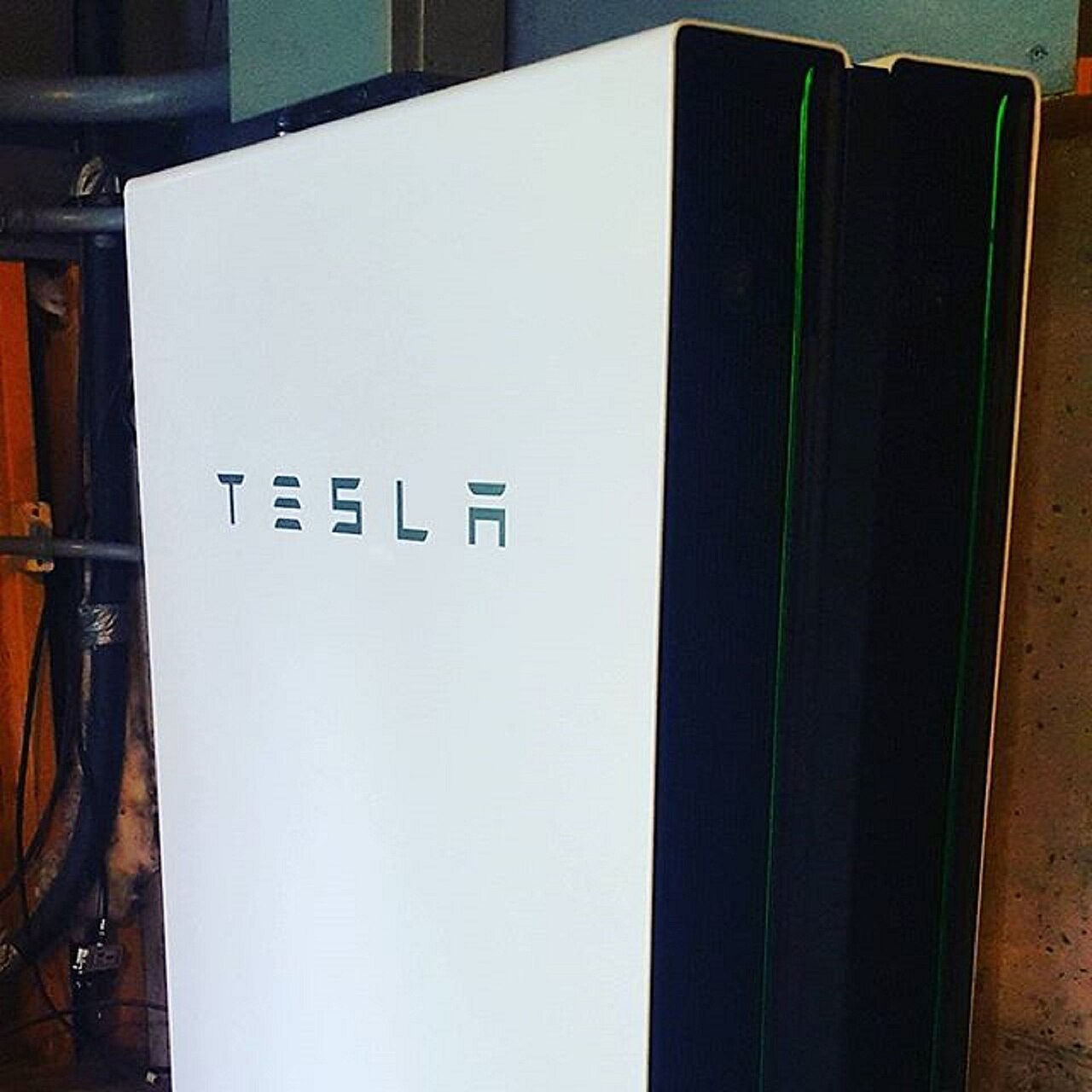
The 580 MW figure represents the combined output of thousands of home battery systems, including Tesla Powerwall units installed at customer homes, coordinated to discharge power simultaneously. Sunrun, a major residential solar and battery installer, and Tesla, whose Powerwall product is widely deployed in California homes, jointly touted the achievement as a new record for this type of aggregated dispatch in the state.
Supporting the California Grid
Virtual power plants like the one behind this dispatch allow utilities and grid operators to draw on stored energy from residential batteries during periods of high demand, reducing strain on the broader electricity system. By aggregating many small, distributed batteries into a single coordinated resource, companies like Sunrun and Tesla can offer grid operators a flexible power source without relying solely on traditional power plants.
While Renewables Now's report did not detail the specific date, trigger event, or financial terms associated with this dispatch, the record underscores the increasing scale at which home battery fleets are being used to bolster grid reliability in California, a state that has faced periodic strain on its electricity system, particularly during peak demand periods. The achievement points to the expanding capability of residential energy storage, led in part by Tesla's Powerwall technology, to function as a meaningful grid resource alongside conventional generation and utility-scale storage.
Source: Renewables Now