Tesla and Sunrun's Virtual Power Plant Hits 580 MW California Record
Tesla and Sunrun's residential battery network dispatched a record 580 MW to California's grid, per Electrek.
Tesla and Sunrun have set a new milestone for residential energy storage in California, dispatching a record 580 megawatts (MW) to the state's power grid through their joint virtual power plant (VPP) program, according to a report from Electrek.
How the Virtual Power Plant Works
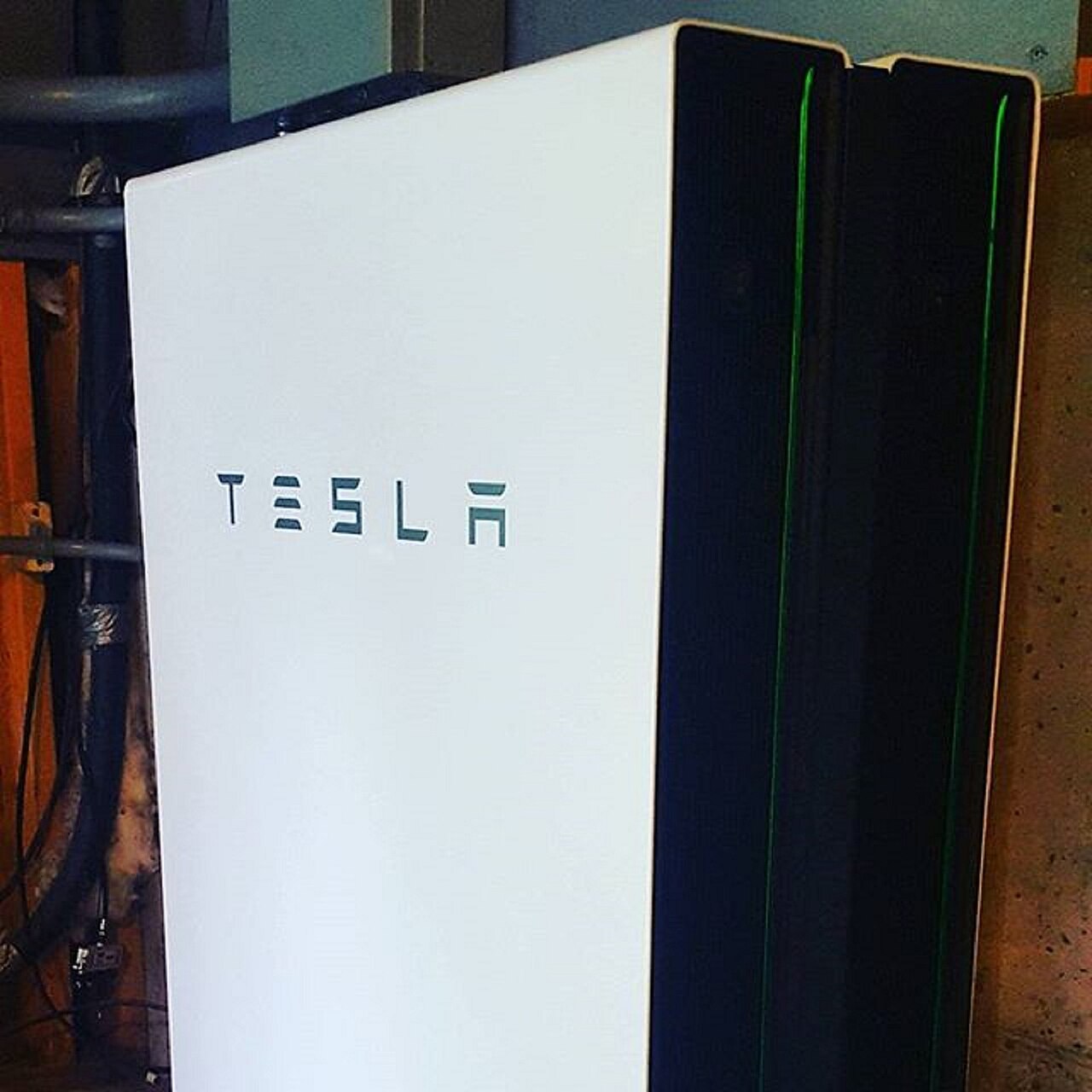
A virtual power plant aggregates thousands of individual home battery systems, such as Tesla Powerwalls installed by Sunrun customers, into a single coordinated network. When California's grid operator signals high demand or strain, the program draws stored energy from these home batteries simultaneously and feeds it back into the grid, functioning much like a traditional power plant without the need for new physical generation infrastructure.
A New Benchmark for Distributed Energy
The 580 MW figure marks a record dispatch for the Tesla-Sunrun partnership, according to Electrek's report, underscoring the growing scale and reliability of distributed battery networks as a grid resource. As more households adopt home battery systems, aggregated VPPs like this one are increasingly positioned as a tool to help utilities manage peak demand, particularly during periods of high stress on California's grid.
Why It Matters
California has faced recurring grid strain challenges, especially during periods of high electricity demand, and utilities have been exploring alternatives to fossil-fuel peaker plants. A record-setting dispatch from a residential battery network highlights the potential for programs like this to supplement grid capacity using energy already stored in homes, offering both a demand-response tool for grid operators and, in many cases, financial incentives for participating homeowners.
Source: Electrek