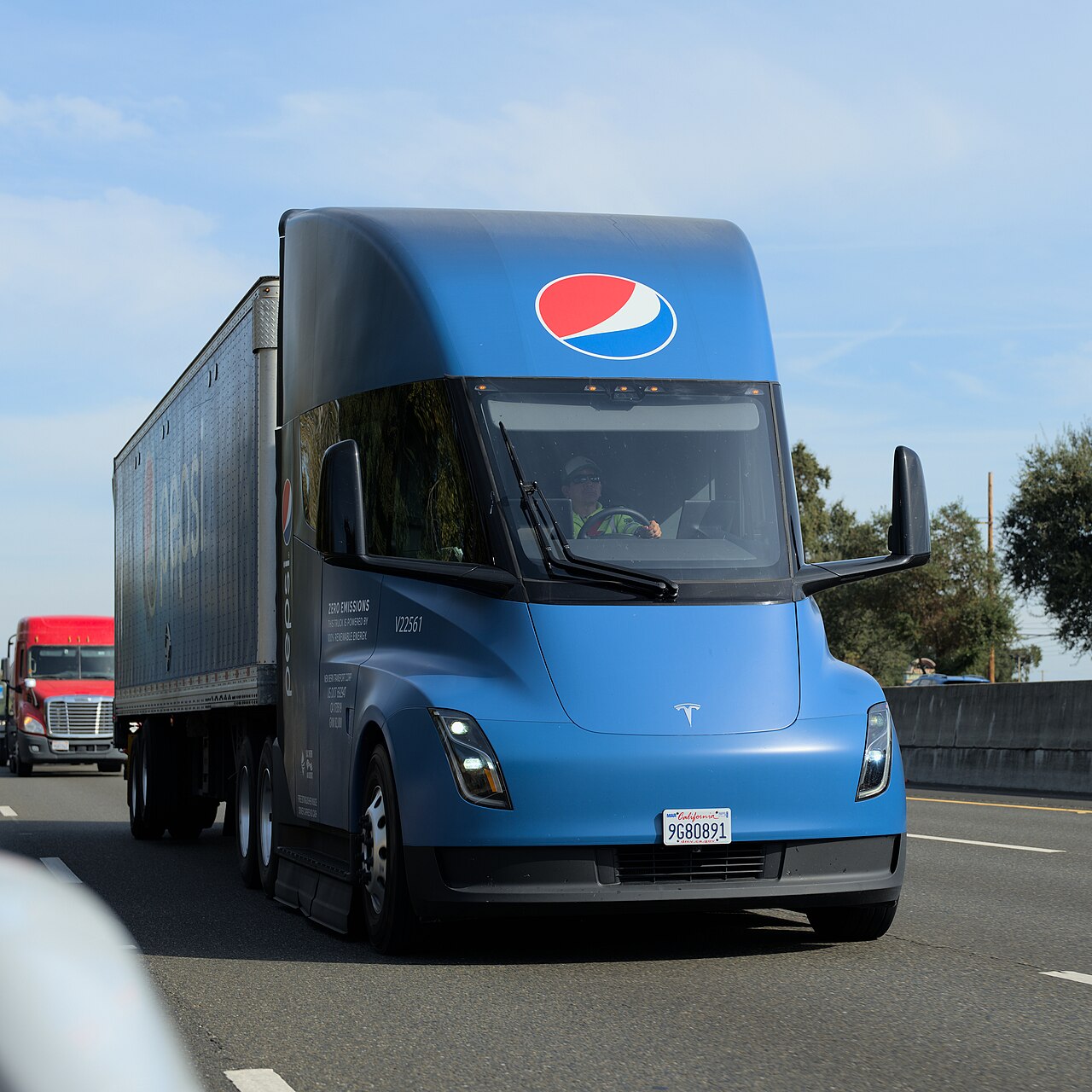
Tesla Rolls Out Electric Semi Truck Amid Diesel Price Spike Tied to Iran War
Tesla has begun rolling out its electric semi-truck as diesel prices spike amid tensions tied to the Iran war, according to Washington Examiner.
Tesla has begun the rollout of its electric semi-truck at a moment when diesel prices are climbing amid disruptions linked to the Iran war, according to a report from the Washington Examiner. The timing places Tesla's heavy-duty electric vehicle program in direct contrast with the volatility currently affecting traditional diesel fuel markets, which power the vast majority of long-haul trucking in the United States.
Diesel Costs Rising Amid Geopolitical Tensions
The Washington Examiner's reporting ties the diesel price increases to the broader conflict involving Iran, a dynamic that has historically pushed fuel costs higher due to concerns over oil supply disruptions in the region. For fleet operators and independent truckers who rely on diesel to move freight across the country, rising per-gallon costs translate directly into higher operating expenses, a pressure point that has periodically renewed industry interest in alternative powertrains.
Tesla Semi Enters the Market
Against this backdrop, Tesla's push to begin delivering and operating its electric semi-truck offers a potential hedge against fuel-price volatility for trucking companies willing to adopt the technology. The Tesla Semi has long been positioned by the company as a lower-operating-cost alternative to diesel trucks, and the current spike in diesel prices amid the Iran war adds a fresh economic argument for carriers evaluating a shift toward electric heavy-duty vehicles.
The Washington Examiner's report frames the rollout as coinciding with, rather than necessarily being caused by, the diesel price movement, underscoring that Tesla's truck program has been in development for years ahead of the current geopolitical situation. Still, the juxtaposition highlights how external energy-market shocks can shape the competitive calculus between electric and diesel-powered commercial trucking fleets. As the situation in the Middle East continues to influence global oil markets, the cost gap between diesel and electric fueling could remain a point of attention for logistics companies weighing fleet investments.
Source: Washington Examiner