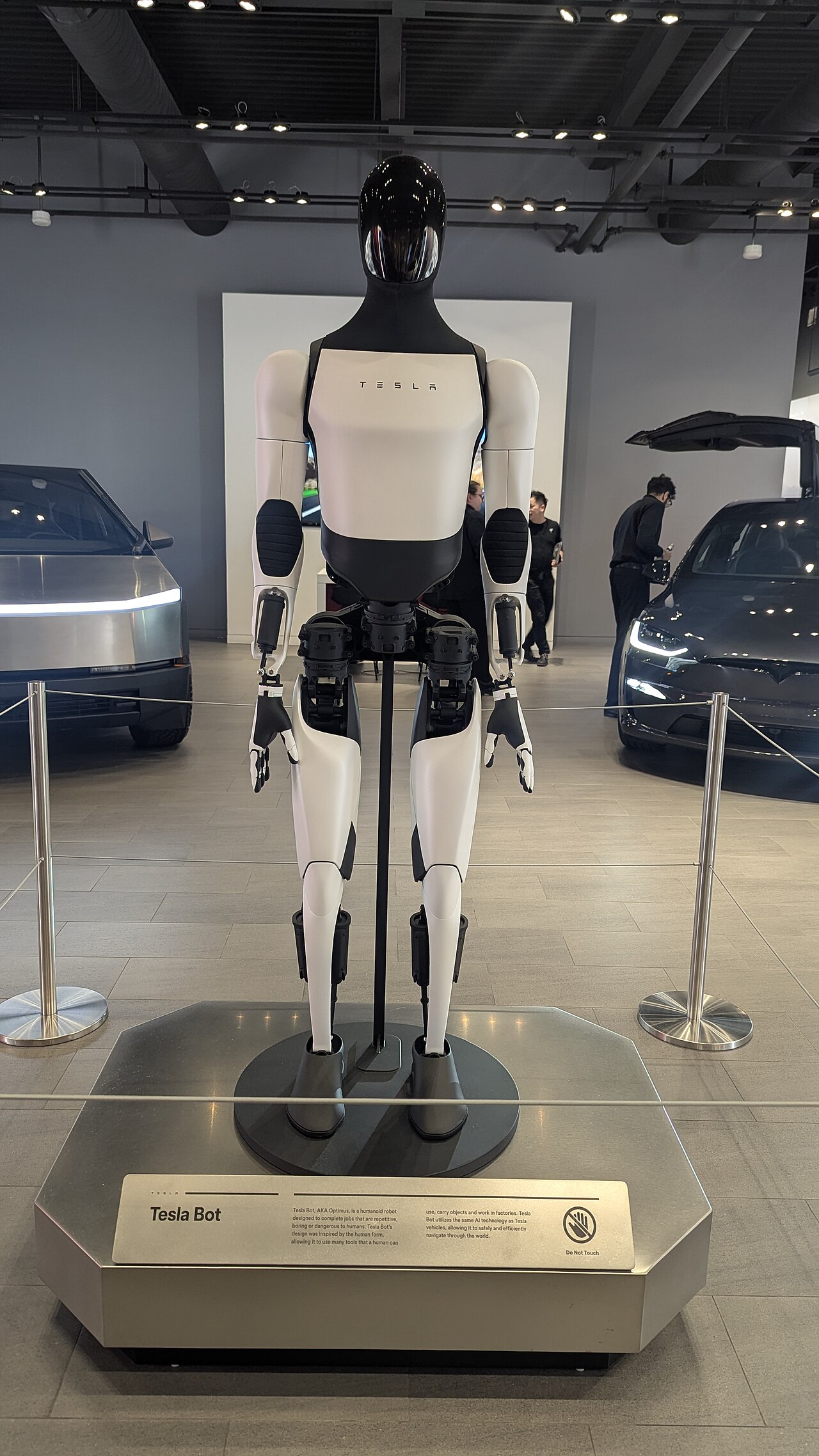
Tesla Nears 1,000 Optimus Robots Per Week, But Task Execution Lags
Tesla is reportedly approaching production of 1,000 Optimus humanoid robots weekly, even as the machines continue to struggle with completing tasks reliably.
Tesla is reportedly nearing a significant manufacturing milestone for its Optimus humanoid robot program, with production capacity approaching 1,000 units per week, according to a report from Interesting Engineering. The figure would mark a notable ramp-up for the humanoid robot initiative, which Tesla has positioned as a major future pillar of its business alongside vehicles and energy products.
Production Scale Meets Functional Limits
Despite the reported progress on manufacturing throughput, the report indicates that the Optimus robots themselves continue to struggle with performing tasks reliably. This gap between hardware production volume and functional capability highlights a common challenge in robotics development: building the physical units at scale is often easier than achieving consistent, dependable performance in real-world or task-based settings.
What This Means for Tesla's Robotics Ambitions
Tesla has repeatedly signaled that Optimus could eventually become a core part of its long-term growth strategy, with executives suggesting the humanoid robot business could rival or exceed the company's automotive operations in significance. Reaching a production rate near 1,000 units weekly would represent a step toward manufacturing at meaningful scale, a prerequisite for any broader commercial rollout, whether for internal use in Tesla's own factories or eventual external sale.
However, the persistent difficulties with task execution suggest that software, dexterity, and real-world adaptability remain works in progress. Scaling production of humanoid robots is only part of the equation; the machines must also demonstrate they can perform useful, repeatable functions before they can be deployed widely in commercial or industrial environments. The report does not detail which specific tasks are proving difficult or provide further specifics on the production timeline.
As Tesla continues to invest in Optimus, the coming months are likely to be closely watched by investors and industry observers for further updates on both manufacturing output and improvements in the robots' operational reliability.
Source: Interesting Engineering