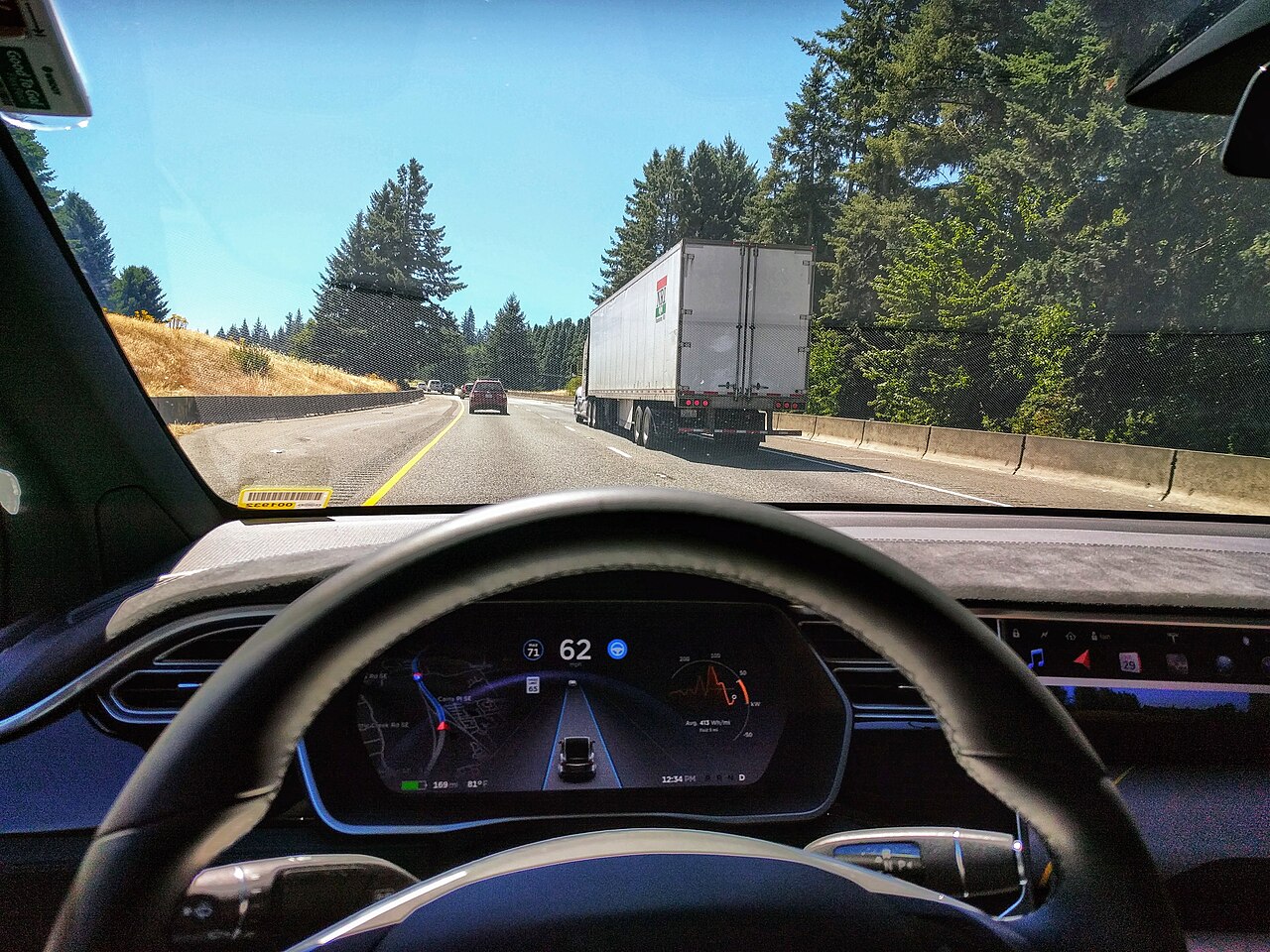
Tesla FSD Misread Speed Limits in Belgium Road-Safety Tests
A road-safety group testing Tesla's Full Self-Driving system in Belgium found it misread posted speed limits, raising fresh safety questions.
Testing Reveals Speed Limit Errors
A road-safety organization conducting tests in Belgium has found that Tesla's Full Self-Driving (FSD) system misread posted speed limits during its evaluation, according to a report from Seeking Alpha. The finding raises fresh questions about the reliability of Tesla's advanced driver-assistance technology as the company continues to expand its footprint across European markets.
What the Tests Found
According to the report, the road-safety group observed instances in which the FSD system failed to correctly identify posted speed-limit signage during its test drives in Belgium. The available report does not detail the exact circumstances or frequency of the errors, nor has Tesla issued a public response to the findings based on the information at hand. The episode nonetheless adds a concrete data point to the broader debate over how consistently Tesla's software performs outside U.S. roads, where much of its training data and prior testing have historically been concentrated.
Context for Tesla's FSD Rollout
Tesla markets FSD as a supervised driver-assistance system rather than a fully autonomous one, requiring drivers to remain attentive and ready to intervene at all times. The company has been working to expand availability of the software in international markets, including parts of Europe, where regulatory scrutiny of autonomous and semi-autonomous driving features has been intensifying in recent periods. Road-safety advocates and regulators in the region have increasingly focused on how such systems interpret real-world driving conditions, including traffic signage, lane markings, and posted speed limits, before allowing broader deployment.
The Belgium test results add to an ongoing conversation among safety groups, regulators, and investors about the pace and safety of Tesla's autonomous-driving ambitions, which remain a closely watched component of the company's long-term growth strategy and stock narrative. How Tesla and European regulators respond to such findings could influence the timeline for wider FSD availability on the continent, an outcome that market watchers continue to track as part of the broader TSLA investment thesis.
Source: Seeking Alpha