How Tesla's FSD, Optimus and Grok Fit Into One AI Strategy
BASENOR examines how Tesla's Full Self-Driving software, Optimus robot, and the Grok AI system connect as parts of a broader company-wide artificial intelligence push.
A new report from BASENOR outlines how three of Tesla's most talked-about technology initiatives — Full Self-Driving (FSD), the Optimus humanoid robot, and the Grok AI system — are increasingly being viewed as connected pieces of a single, company-wide artificial intelligence strategy rather than separate side projects.
A Shared AI Foundation
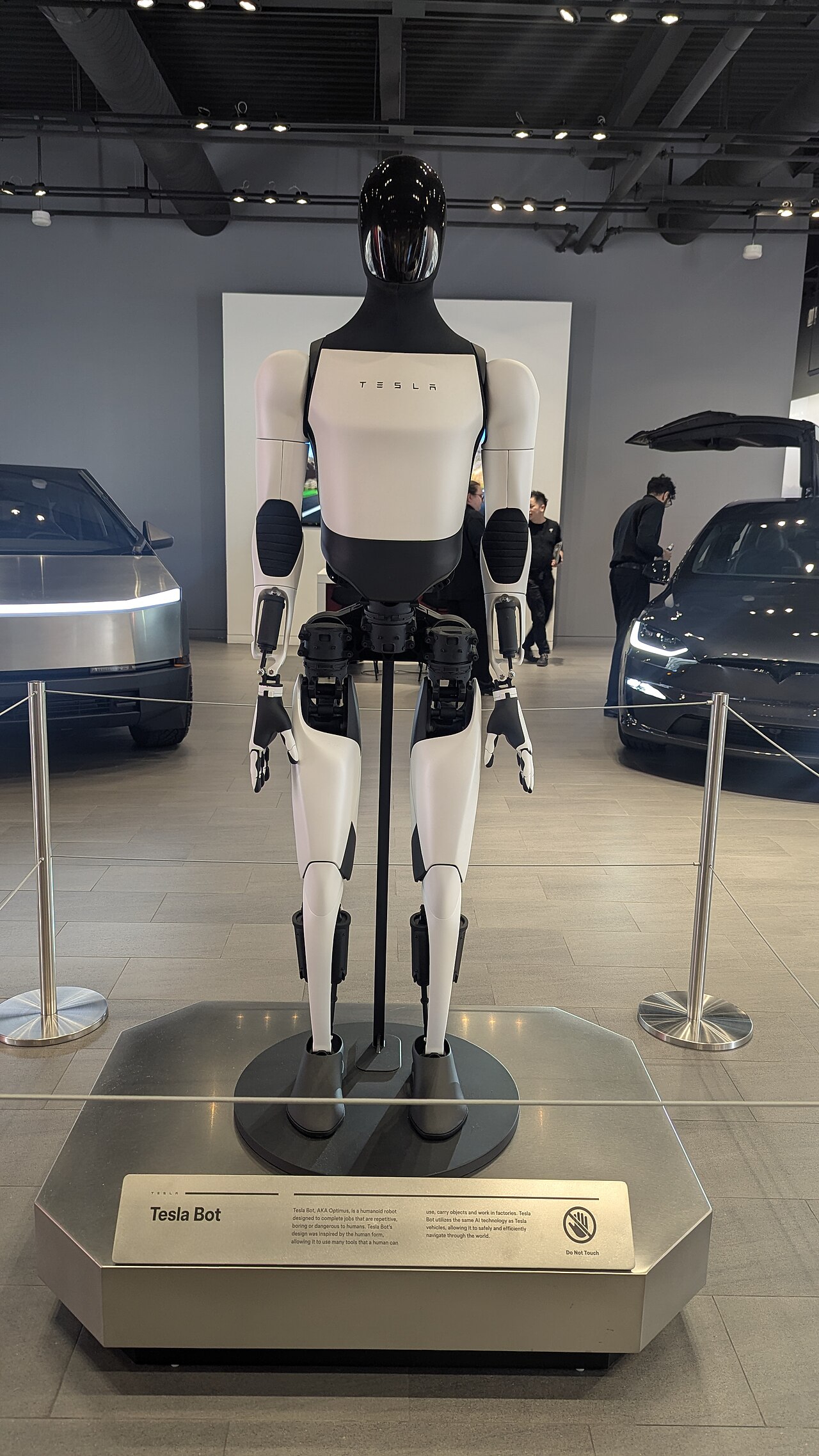
According to BASENOR, the throughline across FSD, Optimus, and Grok is Tesla's broader bet on real-world AI: systems trained to perceive, reason about, and act within physical and digital environments. FSD applies this to driving, using camera-based perception and neural networks to navigate roads. Optimus extends similar computer-vision and machine-learning principles to a humanoid robot designed to operate in physical spaces such as factories or homes. Grok, meanwhile, represents the conversational and reasoning layer of this AI push, tying software intelligence into the mix.
Why the Overlap Matters
BASENOR notes that the significance of linking these three systems lies in the potential for shared data, shared engineering resources, and shared AI infrastructure. A unified approach could mean that improvements in one system — such as advances in perception models developed for FSD — carry over into how Optimus interprets its surroundings, while Grok's reasoning capabilities could theoretically support decision-making across both the vehicle and robotics platforms. This kind of cross-pollination is presented as a defining feature of how Tesla is positioning itself in the AI space, beyond its traditional identity as an automaker.
The report frames this integration as part of a larger industry conversation about companies building general-purpose AI capabilities that can be deployed across multiple products, rather than developing isolated tools for a single use case. For Tesla specifically, BASENOR suggests that FSD, Optimus, and Grok are best understood not as three unrelated initiatives, but as interconnected expressions of the same underlying AI ambitions the company has been pursuing.
As with any early-stage integration of large-scale AI systems across different product lines, questions remain about timelines, technical execution, and how quickly these connections will translate into tangible product improvements. BASENOR's analysis does not provide specific figures or dates for these developments, focusing instead on the conceptual relationship between the three initiatives and what it signals about Tesla's overall technology direction.
Source: BASENOR