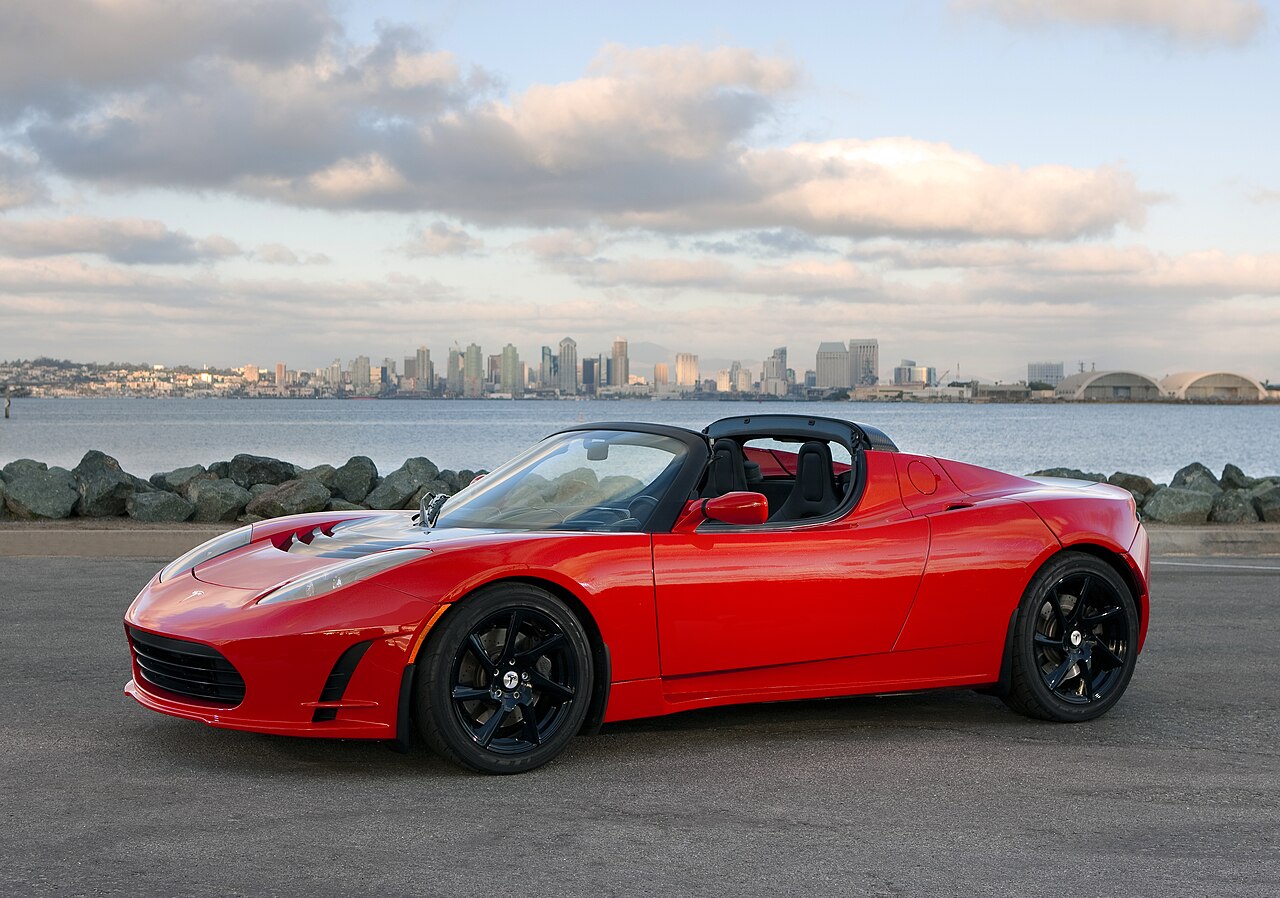
Tesla Patent Reveals Roadster Active Wing With 700 kg Downforce
A newly revealed Tesla patent details an active wing system for the next-generation Roadster capable of generating up to 700 kg of downforce.
Patent Points to High-Performance Aerodynamics
A newly surfaced Tesla patent has revealed details of an active wing system designed for the next-generation Roadster, according to a report from BASENOR. The filing describes an aerodynamic component capable of producing as much as 700 kg of downforce, a figure that underscores the performance ambitions Tesla has attached to its long-anticipated sports car.
What the Filing Suggests
Active wing systems are typically engineered to adjust their angle or position based on driving conditions, allowing a vehicle to balance efficiency at low speeds with stability and grip during high-speed driving or aggressive cornering. The patent's disclosure of a 700 kg downforce figure, as reported by BASENOR, indicates that Tesla is pursuing an aerodynamic package aimed squarely at track-capable performance rather than purely aesthetic styling.
Context for the Roadster Program
The Roadster has long been positioned by Tesla as the flagship expression of its performance engineering, and patents like this one offer one of the few concrete windows into the vehicle's development while the company has not released full production specifications. As with many automotive patents, the filing represents a disclosed engineering concept rather than a confirmed production feature, though it signals the direction of Tesla's aerodynamic research for the model.
What Remains Unconfirmed
BASENOR's report does not specify a production timeline, pricing, or additional technical details beyond the active wing's downforce capability. As with prior Roadster-related disclosures, further confirmation from Tesla would be needed before the described system can be considered final for any production version of the vehicle.
Source: BASENOR