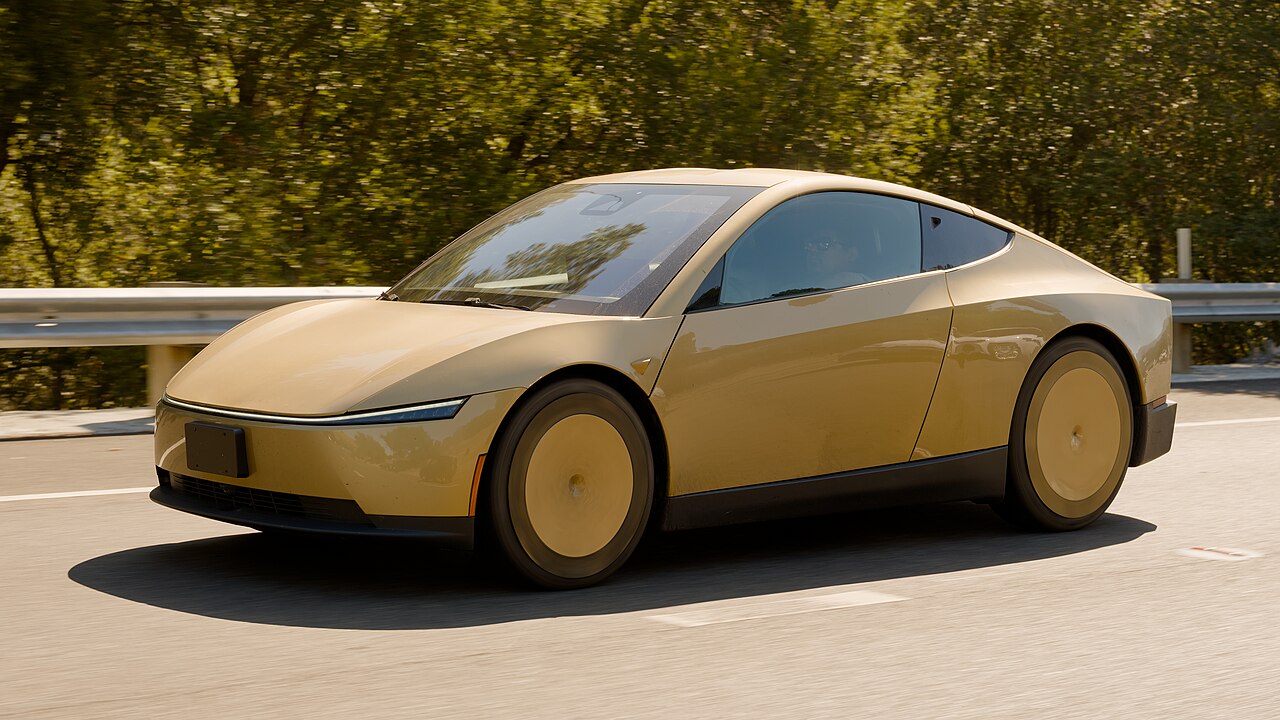
Tesla Robotaxi Charging: Four Key Details to Know
BASENOR outlines four important details about how Tesla plans to handle charging for its upcoming robotaxi fleet.
Tesla's push toward autonomous ride-hailing has put a spotlight on a question that is easy to overlook amid the excitement over self-driving software: how will the company's robotaxi fleet actually keep itself charged? According to a report from BASENOR, there are four details about Tesla's robotaxi charging plans that matter for anyone following the rollout of the service.
Why Charging Logistics Are Central to Robotaxi Viability
Unlike a personally owned electric vehicle, a robotaxi is expected to operate for long stretches without a human driver present to plug it in or route it to a charger. That makes the underlying charging strategy a core piece of the robotaxi business model rather than an afterthought. BASENOR's report frames this as a set of practical considerations Tesla will need to solve for the fleet to run efficiently and remain available to riders throughout the day.
Fleet Uptime and Network Reliance
A driverless vehicle that needs to recharge itself depends heavily on the availability and reliability of charging infrastructure it can reach on its own. For a fleet built around Tesla's vehicles, that points to continued reliance on the company's existing charging network as a backbone for keeping cars in service. BASENOR's coverage highlights that how well this integration works will directly affect how many robotaxis can stay on the road at any given time, which in turn shapes the scalability of the service.
What It Means for Tesla's Broader Strategy
The report underscores that charging is one of the less glamorous but more consequential pieces of Tesla's robotaxi ambitions. As the company continues to test and expand autonomous ride-hailing, the details of how vehicles manage their own energy needs will factor into questions about cost, reliability, and how quickly the service can grow. BASENOR's piece serves as a reminder that the success of a robotaxi program hinges not just on the software driving the car, but on the infrastructure keeping it powered.
Source: BASENOR