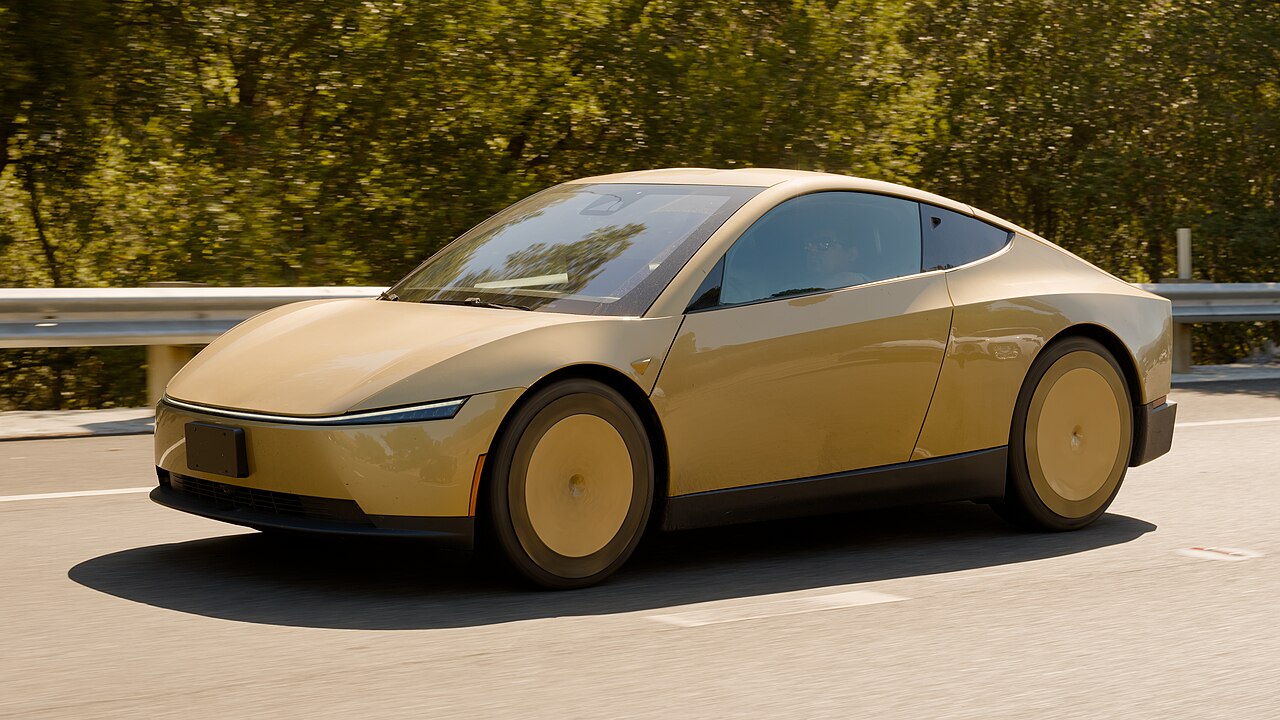
Tesla's Cybercab Raises Questions on Robotaxi Emergency Response
Fast Company reports that Tesla's driverless Cybercab design highlights unresolved challenges for how emergency responders interact with robotaxis.
Tesla's Cybercab, the automaker's purpose-built robotaxi that ditches a steering wheel and pedals entirely, is drawing scrutiny over how it would handle real-world emergencies, according to a report from Fast Company. The outlet notes that the vehicle's design exposes a gap in how autonomous robotaxis are expected to interact with police, firefighters, and other first responders when something goes wrong on the road.
No Manual Controls, New Questions
Because the Cybercab is built without traditional driver controls, there is no human behind the wheel to pull over, follow instructions from law enforcement, or respond to hand signals during a traffic stop, accident, or road closure. Fast Company's report frames this as a broader industry issue rather than one unique to Tesla, pointing to the emergency-response challenges that come with any fully driverless robotaxi fleet.
Part of a Wider Robotaxi Rollout
The Cybercab is central to Tesla's robotaxi ambitions, representing the company's vision for a dedicated autonomous ride-hailing vehicle rather than a modified version of its existing consumer cars. As Tesla and other companies push to expand driverless services, the report suggests that questions about emergency protocols, communication with first responders, and safety fallback procedures remain an open challenge for the industry to resolve.
Fast Company's report does not detail specific regulatory requirements or timelines but underscores that these emergency-response considerations are likely to factor into how quickly and widely robotaxi services like Tesla's can be deployed on public roads.
Source: Fast Company