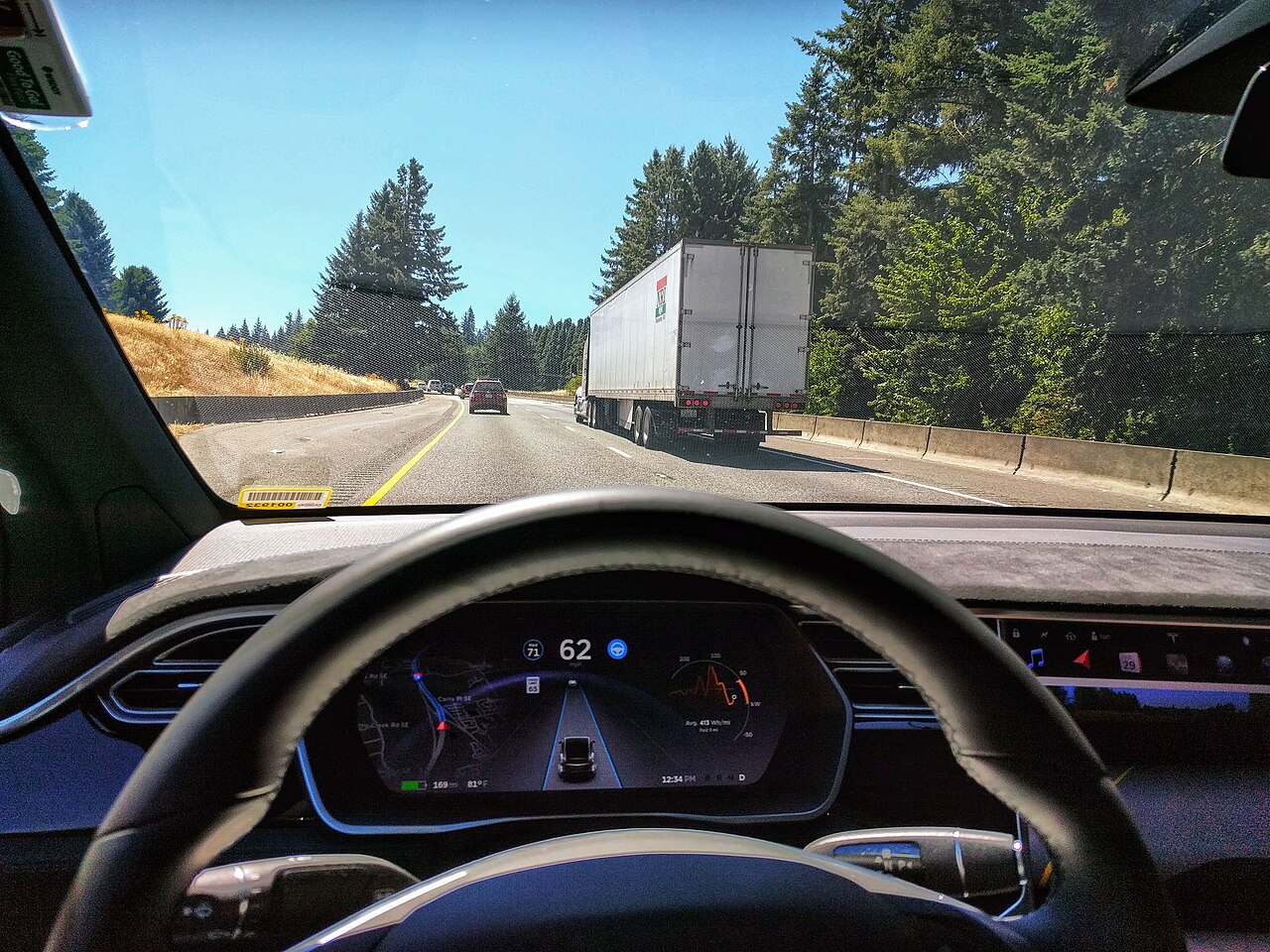
Tesla FSD Exceeded Speed Limits in Belgium Testing, Safety Group Says
A safety organization found that Tesla's Full Self-Driving system exceeded posted speed limits during tests conducted in Belgium.
A road safety organization has found that Tesla's Full Self-Driving (FSD) system exceeded posted speed limits during testing conducted in Belgium, according to a report from Automotive News. The finding raises fresh questions about the reliability of Tesla's advanced driver-assistance technology as it continues to expand into European markets.
What the Testing Found
According to the report, the safety group observed instances in which vehicles operating on Tesla's FSD system traveled faster than the legal speed limits set for the roads being tested. Automotive News did not disclose extensive technical detail about the testing methodology, vehicle models used, or the specific locations within Belgium where the tests took place, but the core finding centers on the system's failure to consistently adhere to posted limits.
Context for Tesla's FSD Rollout
Tesla has been working to expand availability of its FSD software beyond the United States, with European regulators and safety bodies scrutinizing the system's performance under local traffic laws and road conditions. Speed limit compliance is a basic requirement for any driver-assistance or autonomous system seeking regulatory approval in the European Union, where enforcement of traffic rules tends to be strict and where safety organizations play an active role in independently evaluating new automotive technologies before or after they reach the market.
The Belgium findings add to a broader pattern of scrutiny facing Tesla's driver-assistance features internationally, as regulators, safety advocates, and independent testers assess whether the company's software performs reliably across varied road environments outside the U.S., where much of Tesla's FSD testing and development has historically been concentrated. Automotive News' report does not indicate what, if any, response Tesla has issued regarding the Belgium test results, nor does it specify whether Belgian or EU regulators plan to take further action based on the safety group's findings.
Tesla has not publicly commented on the specific findings as reported. The company continues to market FSD as a supervised driver-assistance system that requires an attentive driver ready to take control at all times, a designation that distinguishes it from fully autonomous, driverless technology under current regulatory frameworks in both the U.S. and Europe.
Source: Automotive News