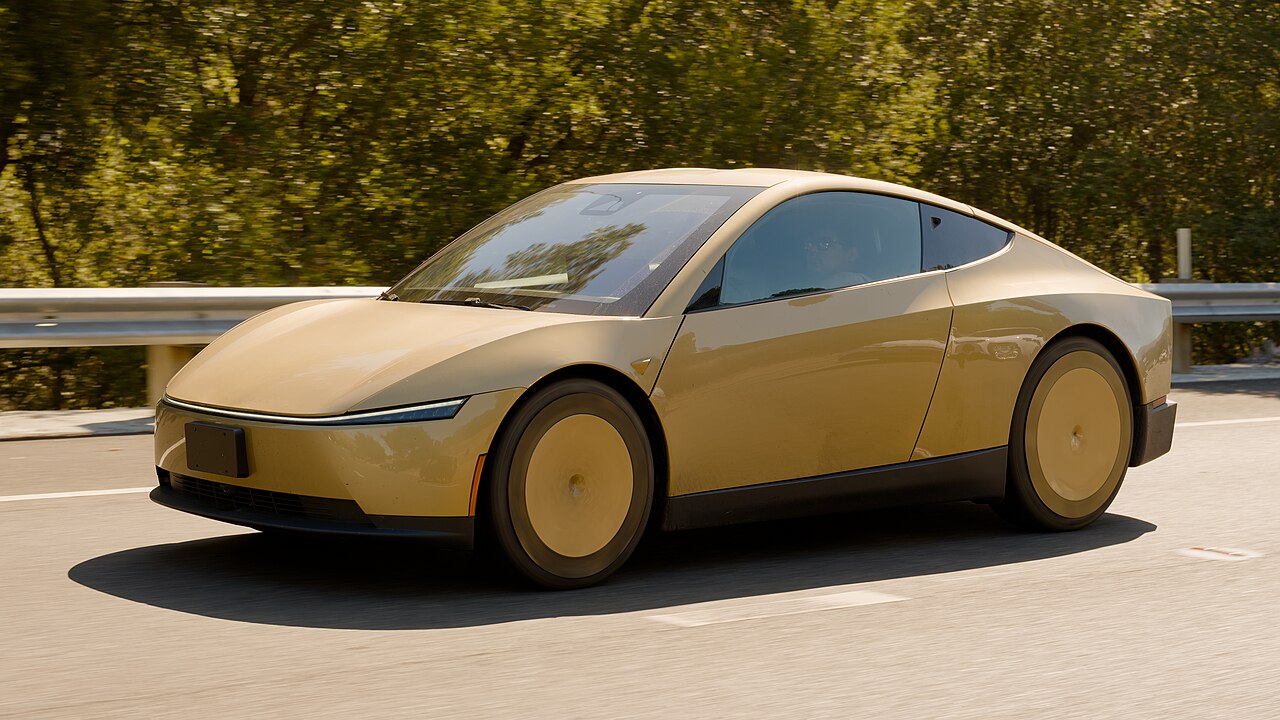
In-House Battery Production May Give Tesla's Cybercab an Edge
Barron's reports that Tesla's in-house battery manufacturing could provide a meaningful cost and supply advantage for its upcoming Cybercab robotaxi.
Tesla's decision to build battery cells in-house could give its upcoming Cybercab robotaxi a significant competitive advantage, according to a report from Barron's. The publication points to the company's battery manufacturing plant as a strategic asset that sets Tesla apart from rivals in the race toward autonomous, electric ride-hailing vehicles.
Why In-House Production Matters
Most automakers rely on external suppliers for battery cells, leaving them exposed to pricing pressure, supply constraints, and production bottlenecks controlled by third parties. Barron's notes that Tesla's approach of manufacturing batteries internally allows the company to exert tighter control over both cost and output. That control becomes especially valuable as Tesla scales up production of new vehicle programs like the Cybercab, which depends on efficient, high-volume battery supply to hit production and pricing targets.
Positioning the Cybercab
The Cybercab, Tesla's purpose-built autonomous robotaxi, represents a central piece of the company's push into self-driving transportation. Barron's frames the vehicle's success as closely tied to Tesla's manufacturing capabilities, particularly its ability to produce batteries at scale without depending on outside partners. This vertical integration, the report suggests, could help Tesla keep production costs down as it works to bring the Cybercab from concept to commercial reality.
The report does not provide specific figures, timelines, or details about the plant's capacity, but it underscores battery manufacturing as a differentiator for Tesla relative to competitors that lack similar in-house infrastructure. As the broader auto industry continues to grapple with battery supply chain challenges, Barron's suggests that companies with direct control over cell production may be better positioned to manage costs and avoid delays.
For Tesla, the strategic value of its battery plant extends beyond the Cybercab to its broader vehicle lineup and energy storage business. However, Barron's coverage specifically highlights the potential impact on the Cybercab program, framing battery self-sufficiency as a key factor investors and industry observers should watch as Tesla moves toward wider deployment of the robotaxi.
Source: Barron's