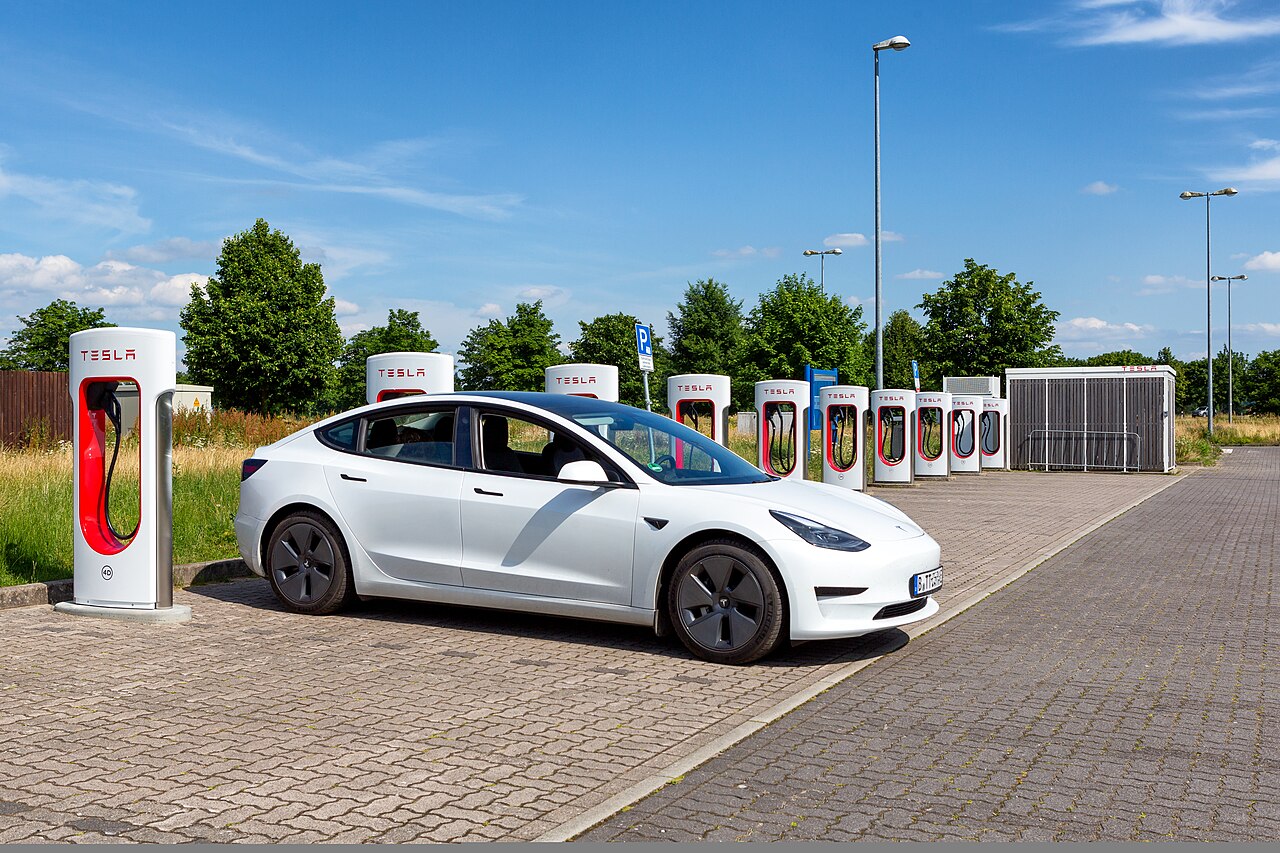
Tesla Debuts 'Accordion' Supercharger Design to Speed Up Installs
Tesla has introduced a new "Accordion" Supercharger design aimed at cutting installation costs and time, according to InsideEVs.
Tesla is rolling out a new Supercharger design nicknamed the "Accordion," according to a report from InsideEVs. The new format is aimed squarely at reducing both the cost and the time required to deploy new charging stations, two factors that have long shaped how quickly Tesla can expand its charging network.
A New Approach to Charger Deployment
While specific technical details remain limited, the "Accordion" name suggests a design built around modular, foldable, or prefabricated components that can be assembled more efficiently at installation sites than Tesla's traditional Supercharger setups. Streamlining the build process in this way could allow Tesla to bring new stalls online faster, a priority as demand for charging infrastructure continues to grow alongside EV adoption in general.
Why Installation Speed Matters
Supercharger expansion has become an increasingly important part of Tesla's business, not only for its own vehicles but also for other automakers whose EVs have gained access to the network. Faster, cheaper installations mean Tesla can potentially add more sites in more locations without the same level of capital or labor investment previously required, helping the company keep pace with rising charging demand.
InsideEVs' report frames the Accordion design as a direct response to the practical challenges of scaling a nationwide, and increasingly global, charging network. By cutting down on the time and cost per installation, Tesla may be able to accelerate its rollout schedule and reach underserved areas more quickly, though the outlet did not detail specific pricing, timelines, or locations tied to the new design.
As Tesla continues to position its Supercharger network as a key competitive advantage, innovations like the Accordion design underscore the company's ongoing efforts to optimize the infrastructure side of the EV charging business, not just the vehicles themselves.
Source: InsideEVs