Tesla's Optimus Robot Faces Reliability and Dexterity Challenges
A new report says Tesla's Optimus humanoid robot is struggling with reliability and dexterity even as production ramps up.
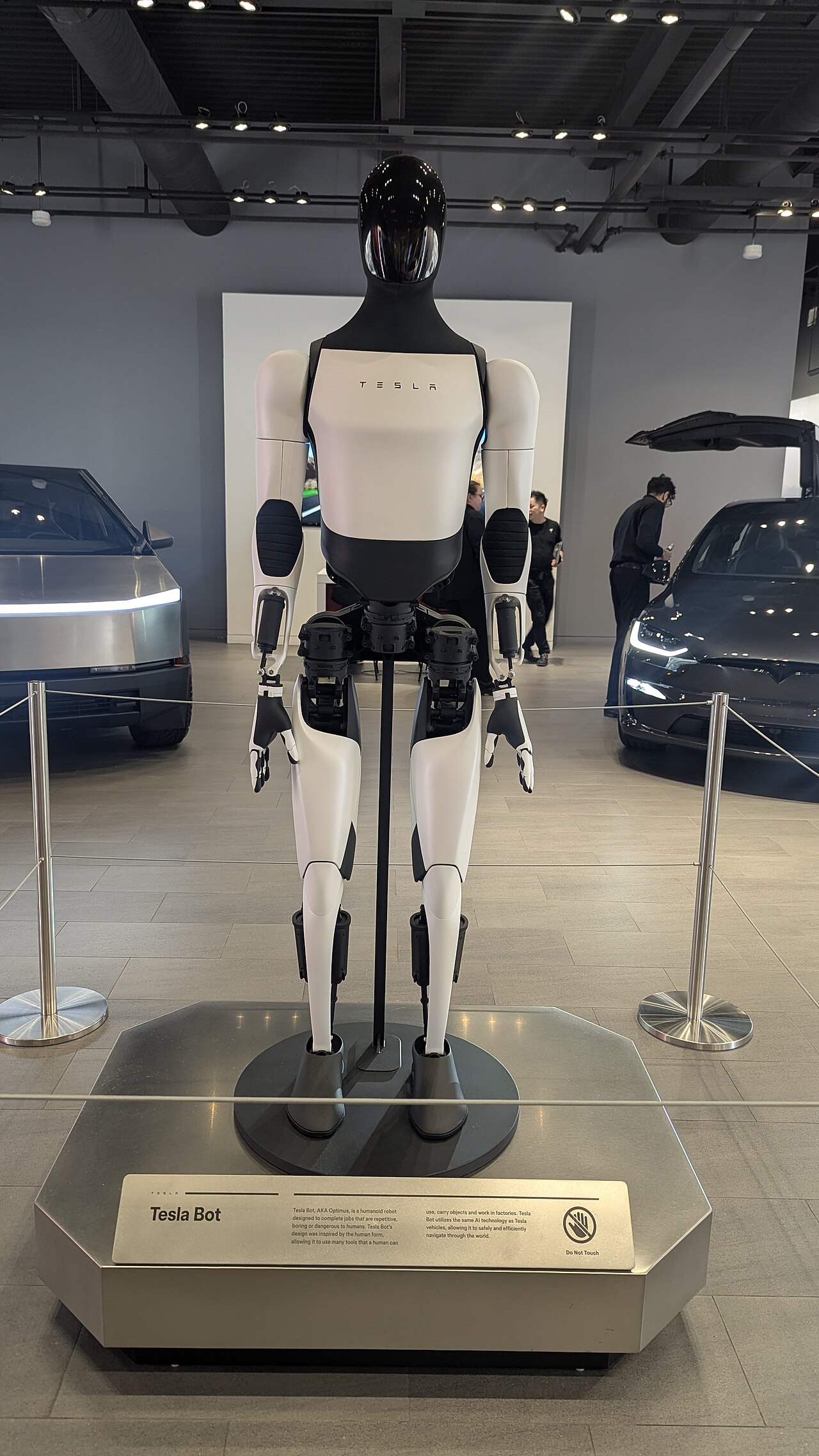
Tesla's Optimus humanoid robot is encountering reliability and dexterity issues even as the company pushes ahead with a surge in production, according to a new report highlighted by driveteslacanada.ca. The findings suggest that while Tesla has been ramping up manufacturing of the robot, engineering challenges around consistent performance and fine motor control remain unresolved.
Production Surge Meets Technical Hurdles
Optimus has been positioned by Tesla as a key part of its long-term ambitions beyond electric vehicles, with the robot intended to eventually perform complex physical tasks. However, the report indicates that as Tesla increases the volume of Optimus units being built, underlying reliability problems and difficulties with dexterity — the ability to manipulate objects with precision — have surfaced as ongoing concerns.
What This Means for Optimus Development
The combination of a production ramp-up alongside unresolved technical shortcomings points to a gap between Tesla's manufacturing pace and the robot's operational readiness. Reliability issues could affect how consistently Optimus performs repeated tasks, while dexterity limitations may impact its ability to handle more intricate movements required for practical applications.
Tesla has not publicly detailed specific fixes or timelines tied to these reported issues, and the report does not specify further technical details beyond the reliability and dexterity concerns noted. As Optimus remains a closely watched project for Tesla's broader robotics ambitions, continued scrutiny of its production quality and functional performance is likely as the company moves forward with scaling up the humanoid robot.
Source: driveteslacanada.ca