Belgian Safety Group Says Tesla's Self-Driving Often Misreads Speed Limits
A Belgian safety organization reports that Tesla's supervised self-driving system frequently misreads posted speed limits, according to Reuters.
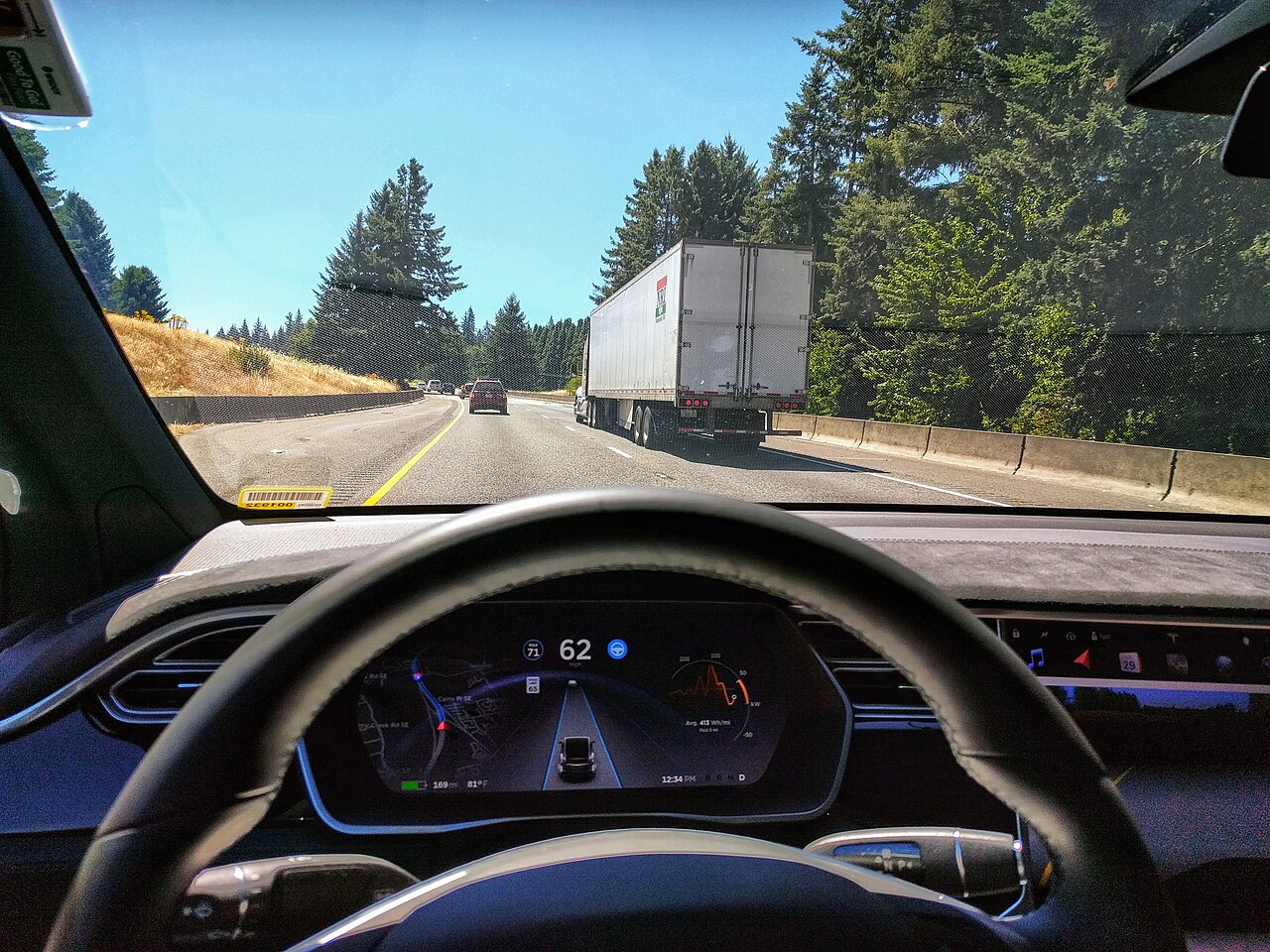
A Belgian road safety group has found that Tesla's supervised self-driving system often misreads speed limits on public roads, according to a report from Reuters. The finding raises fresh questions about the reliability of the driver-assistance technology as it continues to be used on European roads.
What the Study Found
According to Reuters, the Belgian safety organization identified repeated instances in which Tesla's system failed to correctly interpret posted speed limit signs while operating in its supervised self-driving mode. The report did not specify the exact frequency or circumstances of the errors, but the findings point to a pattern of misreadings rather than isolated incidents.
Context and Implications
Tesla markets its driver-assistance software as a "supervised" system, meaning drivers are required to remain attentive and ready to take control at all times, even when the vehicle is handling steering, acceleration, and braking. Speed limit recognition is a key function of such systems, as it informs both automated speed adjustments and driver alerts. Errors in reading speed limits could affect how the vehicle regulates its speed in real-world driving conditions, according to the Reuters report.
The findings from the Belgian safety group add to ongoing scrutiny of advanced driver-assistance systems across the automotive industry, as regulators and safety organizations in Europe continue to examine how these technologies perform under real-world conditions. Reuters did not indicate whether Tesla has issued a response to the specific findings cited in the report.
Source: Reuters