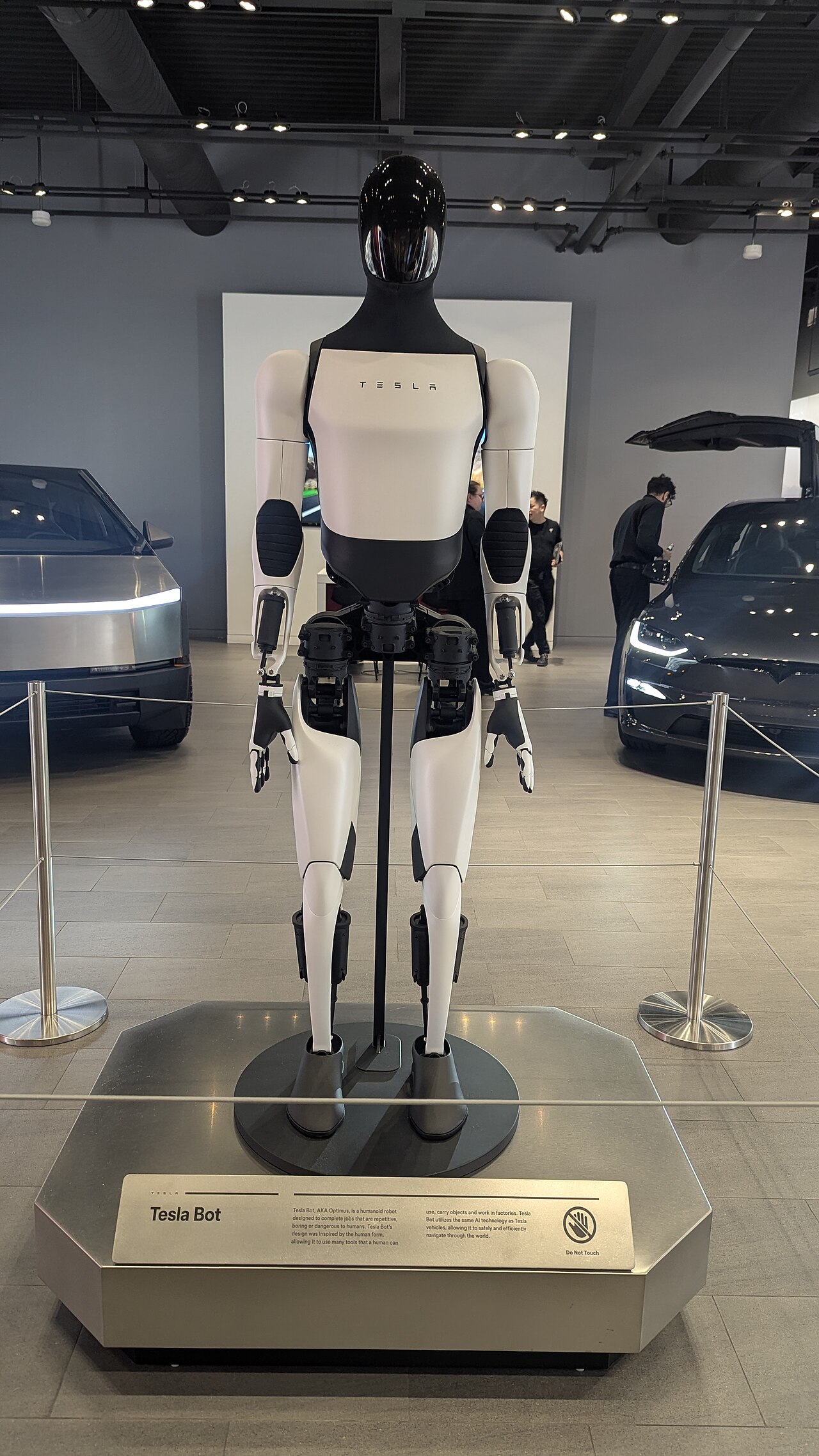
Tesla Targets 20,000 Optimus Robots a Week, but Hands Remain a Challenge
Tesla is aiming to produce 20,000 Optimus humanoid robots per week, though engineers are still working to perfect the robots' hands, according to Gizmodo.
Tesla has set an ambitious production target for its Optimus humanoid robot program, with the company reportedly aiming to manufacture as many as 20,000 units per week, according to a report from Gizmodo. The figure underscores just how central the Optimus project has become to Tesla's broader ambitions beyond electric vehicles, positioning the company as a potential large-scale manufacturer of humanoid robots rather than solely a carmaker.
Hands Are the Sticking Point
Despite the bold production goal, Gizmodo reports that Tesla still needs to solve a fundamental engineering problem before mass manufacturing can realistically scale to that level: the design and function of the robot's hands. Hands are widely regarded as one of the most difficult components to engineer in humanoid robotics, requiring a combination of dexterity, strength, durability, and cost-effective manufacturing that has historically eluded even well-funded robotics programs.
The challenge reflects a broader pattern in the humanoid robotics industry, where mobility and balance systems have advanced rapidly, while fine motor control in hands lags behind. For Optimus to perform the kinds of tasks Tesla has envisioned — from factory work to household chores — its hands need to be capable of manipulating objects with a level of precision and reliability that has not yet been fully demonstrated.
What It Means for Tesla's Timeline
Reaching a production rate of 20,000 robots a week would represent a massive scaling effort, even for a company with Tesla's manufacturing experience in electric vehicles and battery production. Gizmodo's report suggests that until the hand mechanism issue is resolved, this target remains more of a stated ambition than an imminent reality. The outlet frames the hand problem as a key bottleneck standing between Tesla's current Optimus development stage and the high-volume manufacturing operation the company has publicly described.
As Tesla continues to iterate on Optimus, the resolution of this hardware challenge will likely serve as a bellwether for how quickly — and how credibly — the company can move toward its stated production goals for the robot.
Source: Gizmodo