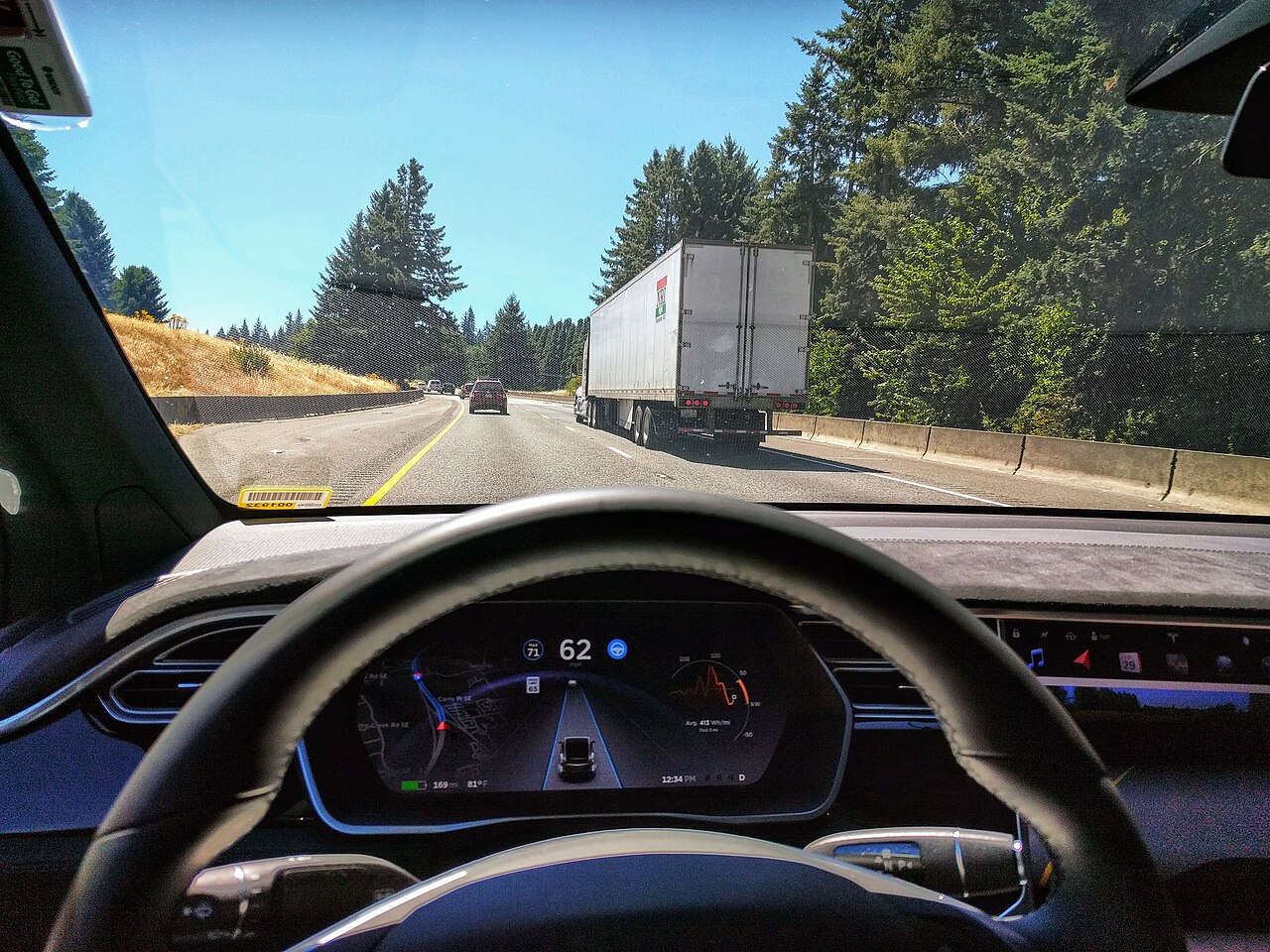
Why Automakers Keep Turning Down Tesla's Full Self-Driving Offer
Teslarati examines why rival automakers have repeatedly declined Elon Musk's offers to license Tesla's Full Self-Driving software.
Tesla CEO Elon Musk has repeatedly signaled that the company is willing to license its Full Self-Driving (FSD) software to other automakers, framing it as a way to accelerate the adoption of advanced driver-assistance technology across the industry. Yet, according to a new report from Teslarati, traditional automakers have consistently declined the offer, choosing instead to develop or source their own autonomous driving solutions.
A Recurring Pattern
Teslarati's report highlights that this is not a one-off rejection but a pattern that has played out across the auto industry. Despite Tesla positioning FSD as a mature and continuously improving product, competing manufacturers have opted not to adopt it, even as they invest heavily in their own driver-assistance and autonomy programs.
Why the Hesitation
The reluctance points to a broader dynamic in the automotive world, where legacy manufacturers appear wary of becoming dependent on a direct competitor for a technology increasingly seen as central to the future of the industry. Ceding control over software that governs vehicle safety and driving behavior to a rival brand carries strategic risk, both in terms of competitive positioning and control over the customer experience. It also raises questions about liability, integration with existing vehicle architectures, and brand differentiation — all factors that could weigh into an automaker's decision to build in-house rather than license externally.
For Tesla, the inability to strike licensing deals limits one potential revenue stream and avenue for expanding FSD's real-world usage beyond its own vehicle lineup. Musk has long argued that wider adoption of Tesla's self-driving software across the industry would improve overall road safety by putting more vehicles on the road with advanced driver-assistance capabilities. However, as Teslarati notes, turning that vision into actual partnerships has proven difficult, with automakers so far choosing independence over integration.
The report underscores the competitive tension shaping the autonomous vehicle race, as Tesla continues to refine FSD while rivals pursue their own paths toward self-driving technology rather than relying on a competitor's platform.
Source: Teslarati