CleanTechnica Pits XPeng VLA 2.0 Against Tesla FSD in Amsterdam Test
CleanTechnica kicks off a multi-part Amsterdam comparison of XPeng's VLA 2.0 driver-assist system against Tesla FSD, starting with the XPeng L03.
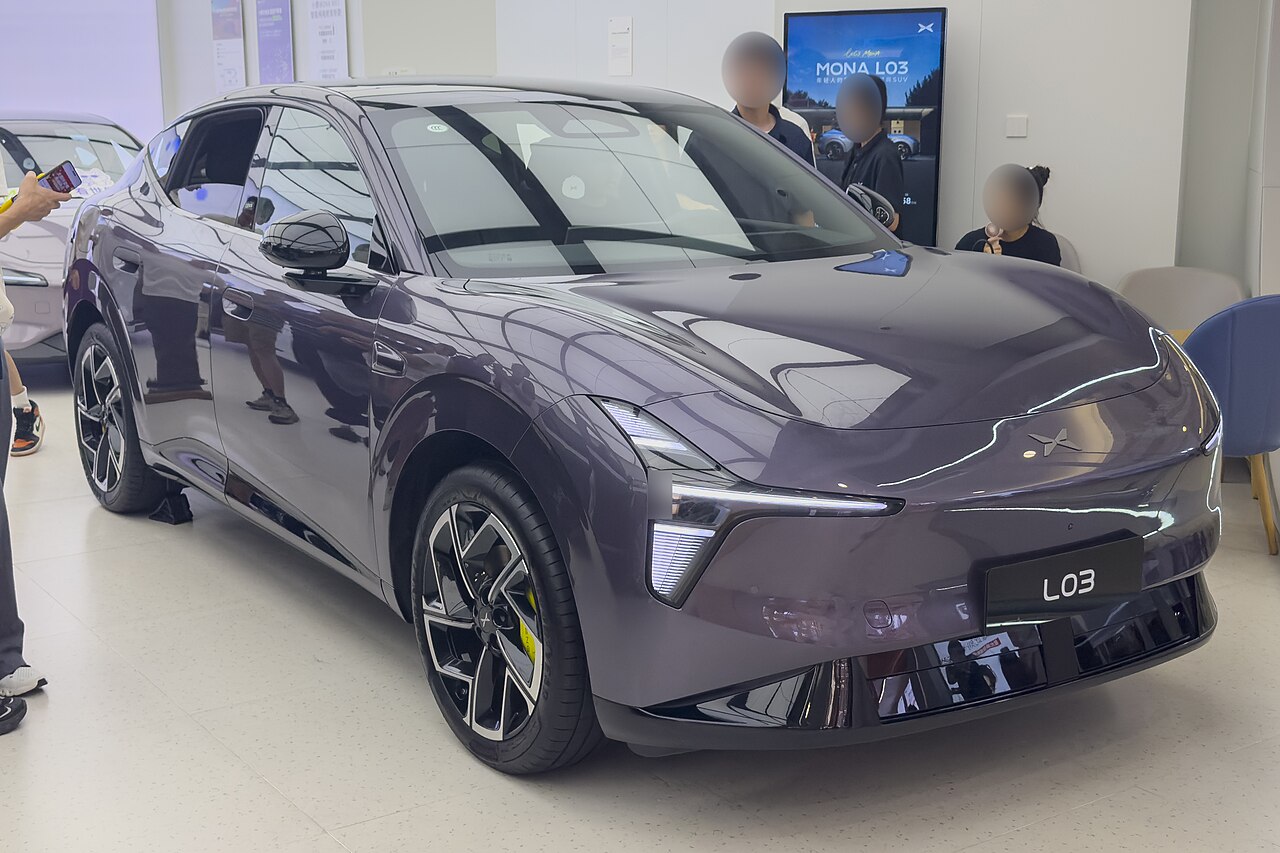
CleanTechnica has published the first installment of a new comparison series testing XPeng's VLA 2.0 driver-assistance system against Tesla's Full Self-Driving (FSD) software, with both systems being evaluated on the streets of Amsterdam. The opening piece, titled "XPENG VLA 2.0 vs. Tesla FSD in Amsterdam — Part 1: XPENG L03," focuses specifically on the XPeng L03 model as the starting point for the broader head-to-head assessment.
A Head-to-Head in a Real-World Setting
The choice of Amsterdam as a testing ground places both systems in a dense, mixed-traffic European urban environment, a setting that differs meaningfully from the wide boulevards and grid layouts common in much of the United States. Cities like Amsterdam present a complex mix of cyclists, trams, pedestrians, and narrow streets, making them a demanding proving ground for any automated driving or advanced driver-assistance system.
XPeng's VLA 2.0 Approach
XPeng has positioned its VLA 2.0 system as a next-generation driver-assistance technology, and this first part of the CleanTechnica series centers on how the system performs in the XPeng L03 specifically. As the report is labeled "Part 1," it appears to lay the groundwork for subsequent installments that will presumably bring Tesla's FSD into direct comparison within the same Amsterdam driving conditions, allowing for a side-by-side evaluation across different real-world scenarios.
What This Means for Tesla Watchers
For Tesla owners and industry observers, comparisons of this kind offer an independent look at how FSD stacks up against competing systems from other automakers, particularly as Chinese EV makers like XPeng continue to invest heavily in driver-assistance and autonomy features. While this initial report concentrates on the XPeng side of the comparison, the series structure suggests that later parts will provide a more direct evaluation of Tesla's own system under similar conditions, giving readers a broader picture of where the competitive landscape for advanced driver-assistance technology currently stands.
Source: CleanTechnica